Winter gets all the seasonal-prep attention because winter has obvious enemies — ice, snow, frozen pipes, broken furnaces. Summer is treated like the off-season, when the house mostly takes care of itself. Except it does not. Summer brings its own set of quiet stresses: heat, humidity, longer daylight that reveals every speck of dust, more open doors and windows letting in more outside grit, and the constant load on air conditioning systems that have been dormant for months.
The routines below are not a one-day project. They are a handful of small habits and a few seasonal tasks that, run together, keep a home cool, clean, and pleasant through the hottest months. Total time investment is maybe an hour a week, and the difference in comfort and energy bills is real.
Cool the House Without Cranking the AC
Air conditioning is expensive and dries everyone out. Before turning the thermostat lower, run through the free cooling habits — most homes can drop their indoor temperature by three to five degrees with the right combination.
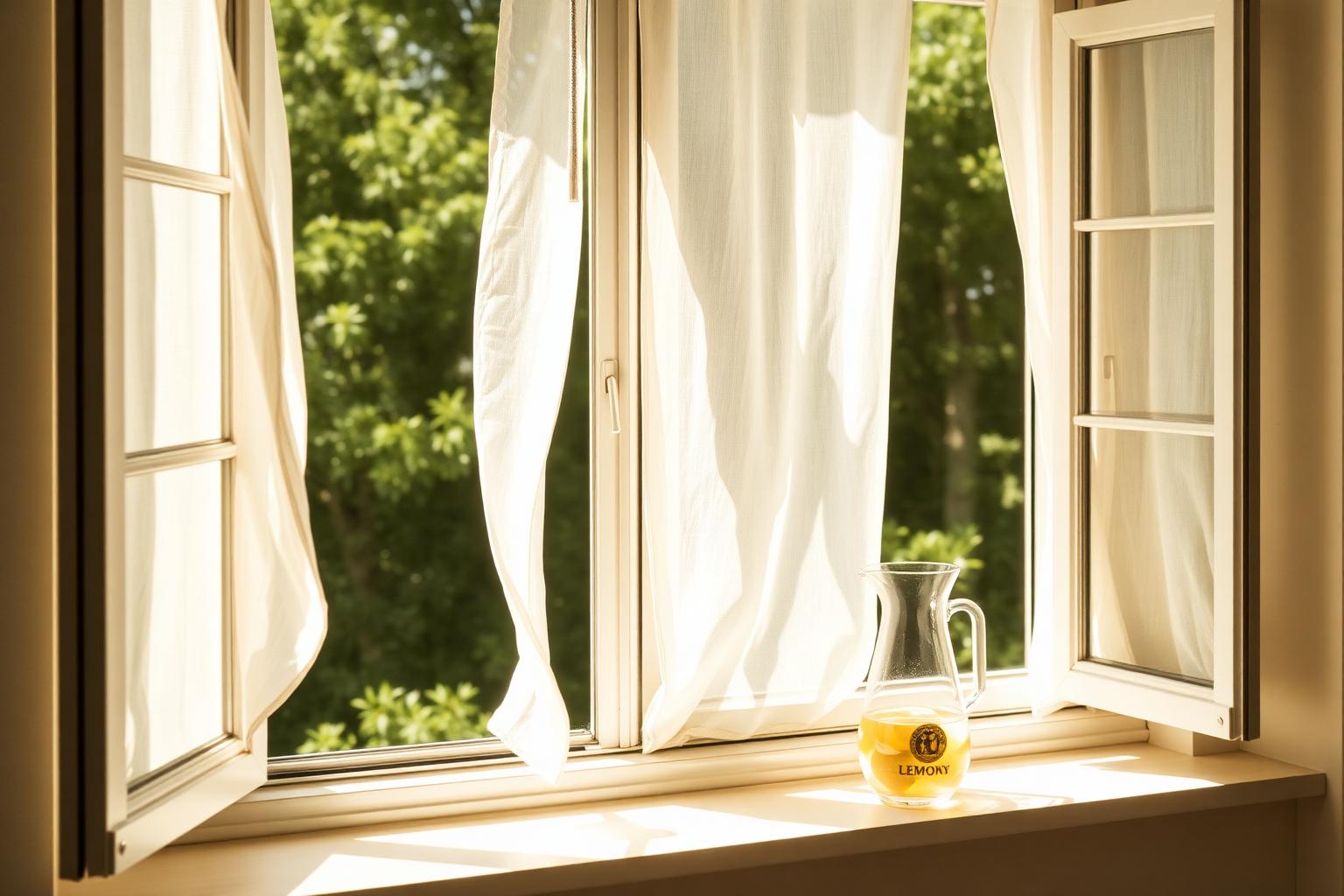
Open windows at night when the outside air drops below the inside air, and close them again in the morning before the heat builds. Use ceiling fans counterclockwise (the opposite of winter) to push cool air down. Close blinds and curtains on south- and west-facing windows during peak afternoon sun — this single move blocks an enormous amount of heat gain. Cook outside or use the microwave on the hottest days; a 400-degree oven dumps real heat into your kitchen.
Set the thermostat as high as you can stand comfortably (most experts suggest 78 degrees when home, higher when away). Each degree higher saves roughly 3 percent on cooling costs.
Service the AC System
Replace the AC filter every one to two months during peak season. A clogged filter is the single most common cause of an AC system running constantly and barely cooling. Filters cost 10 dollars. The replacement takes one minute.
If your AC has not been serviced in over a year, schedule a tune-up at the start of summer. A pro will clean the coils, check refrigerant levels, test the blower, and identify any developing problems before they become an emergency call in August. About 100 to 150 dollars.
Outdoor condenser unit: keep it clear. Trim back any plants within three feet, sweep away leaves and debris on top, and gently hose down the side fins to clear pollen and dust. A clogged outdoor unit cannot release heat efficiently and forces the whole system to overwork.
Control Indoor Humidity
Summer humidity makes 78 degrees feel like 85 and dramatically increases the risk of mold and mildew. The right indoor humidity for summer is between 40 and 55 percent. Buy a 15-dollar hygrometer to know where you actually are.
If you are above 55 percent, run a dehumidifier in the most-affected room (usually a basement or first floor) and check that bathroom and kitchen exhaust fans run during every shower and cooking session. Make sure they vent outside, not into the attic.
Below 40 percent indoors during summer is almost impossible without air conditioning, so this is mostly an over-humid problem. Damp basements particularly benefit from a dedicated dehumidifier running on a humidistat — set it to 50 percent and ignore it.
Manage the Dust
Summer dust is different from winter dust. More windows are open, more shoes are tracking in outdoor grit, more pet hair is shedding, and more pollen is everywhere. Vacuum twice a week instead of once if you have allergies, and run a HEPA-filter air purifier in the main living area and the bedroom.
Take shoes off at the door. This single habit reduces the dirt entering your home by 60 to 80 percent. Add a shoe tray and a no-shoes-inside rule for the summer and watch how much less floor cleaning becomes necessary.
Wipe ceiling fan blades monthly during summer — they run constantly and accumulate dust that then sprays out across the room every time the fan starts.
Refresh the Outdoor Spaces
Patios, decks, porches, and outdoor seating get heavy use in summer and benefit from a monthly refresh. Sweep the deck or patio, wipe down outdoor furniture cushions (most are spot-washable with soap and water), and pressure-wash anything visibly grimy.
Outdoor cushions live longer if they are stored under cover during long stretches of bad weather or unused weeks. UV light fades and weakens fabric quickly. A simple deck box or a covered porch corner is enough.
Refresh planters monthly — pull dead leaves, dead-head spent flowers, and refresh the top inch of soil if anything looks tired. Two minutes per pot, big visual impact.
Protect Against Bugs and Pests
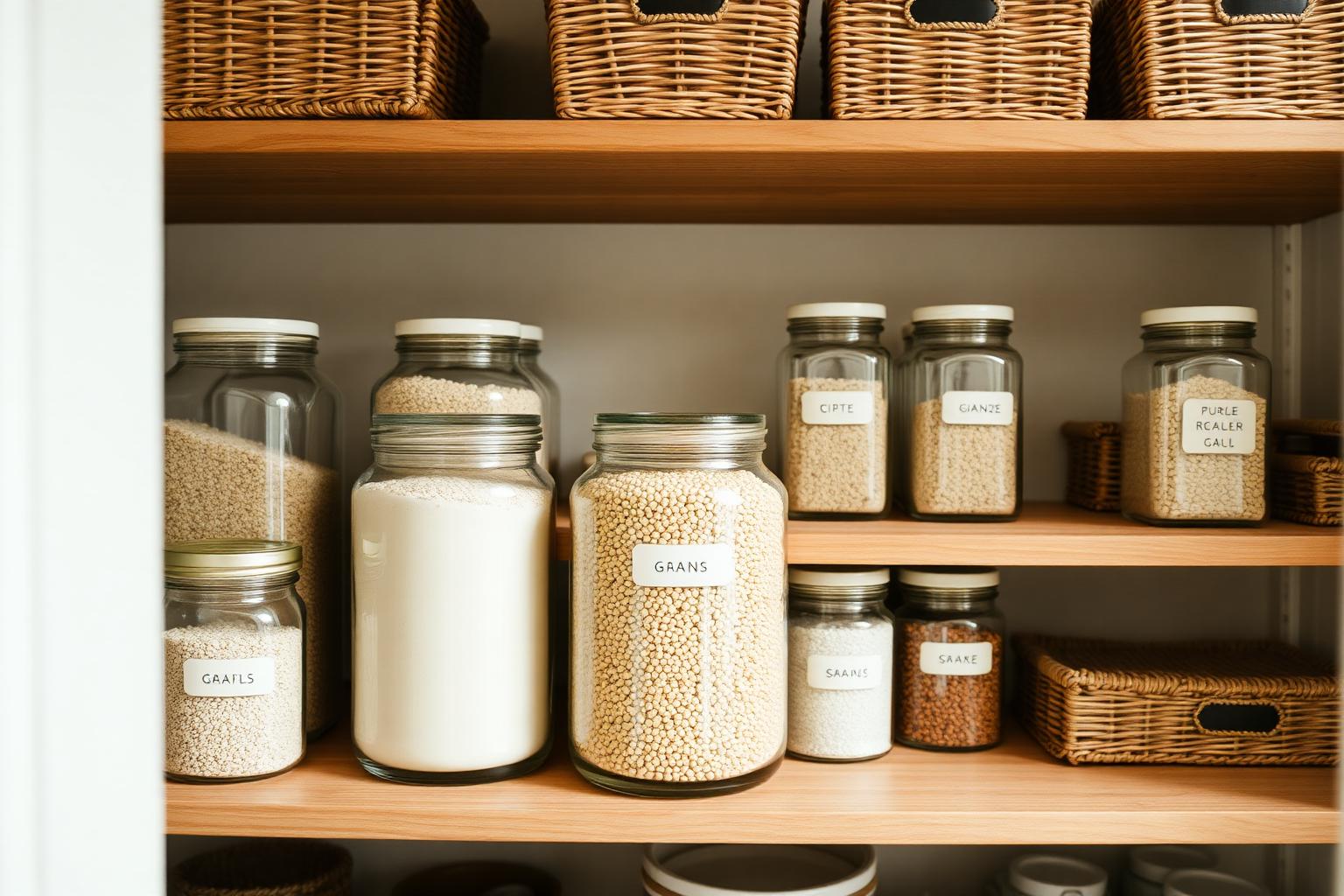
Summer is peak insect season. Run through the bug-prevention checklist once at the start of summer: inspect window and door screens for tears (a small patch kit costs 5 dollars and fixes most), seal any gaps around exterior pipe entries with caulk or steel wool, and keep food sealed in airtight containers (especially flour, sugar, and cereal — pantry moths love summer).
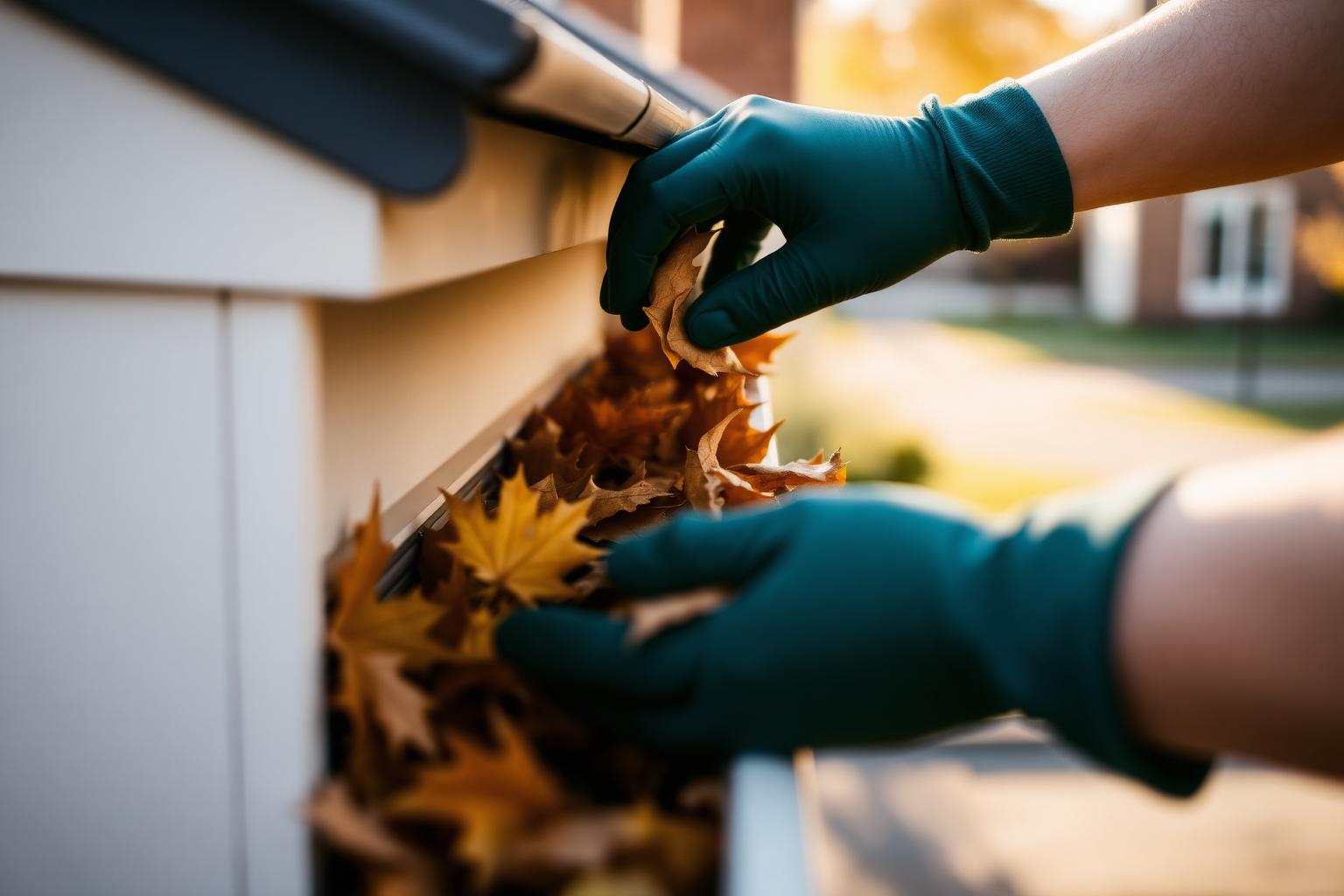
For outdoor mosquito control, drain any standing water around the house — bird baths, planter saucers, gutters that hold puddles, kid pools. Standing water is mosquito daycare. Eliminate it and the bug problem drops dramatically.
Lighten the Look Inside
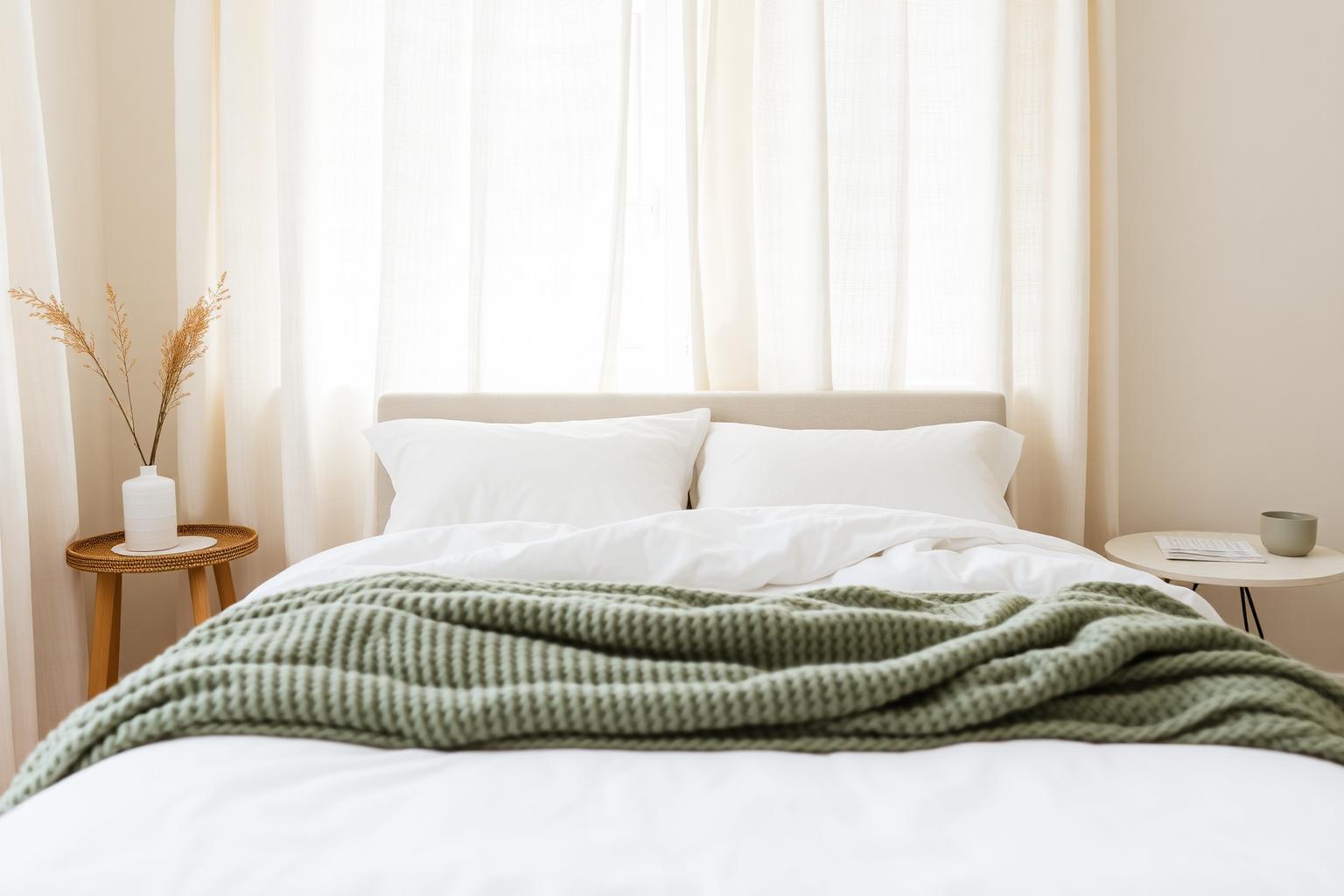
Summer is the right season to physically swap out heavier home textiles for lighter ones. Heavy wool throws go into a storage bin, replaced by light linen or cotton ones. Flannel sheets become percale or linen. Velvet pillow covers become linen or muslin. The house literally feels cooler with fewer heavy textiles, and the visual change matches the season.
Same logic applies to candles, scents, and bouquets — winter's cinnamon and pine give way to lemon, mint, basil, and lavender. Small swap, big seasonal mood shift.
A house that has been gently adjusted for summer feels noticeably calmer than one that is still running its winter routines.
Audit Your Outdoor Watering
If you water plants, lawn, or garden, summer is when bad habits cost real money. Water in the early morning or evening, never during midday (most evaporates before reaching roots). Water deeply and infrequently rather than shallowly and often (encourages deeper roots and drought tolerance). Group plants by water needs so you are not overwatering some to keep others alive.
A simple soaker hose with a basic timer ($30 total) waters more efficiently than a sprinkler and a tenth as efficiently as hand watering with a hose. Set it and ignore it for the rest of the summer.
Final Thoughts
Summer is not the season homes need the most maintenance, but it is the season homes feel the difference most when small habits are in place. A clean filter, a swept patio, the right thermostat setting, light textiles in the right places, and bugs kept out at the screens — none of it is heroic, all of it is comfortable. Set the routines at the start of summer, run them lightly, and the months feel longer in the good way. Then in October, swap back to fall prep and start the cycle again. A home that gets gentle seasonal attention reliably ages better than one that gets none at all.
Filed in Home & DIY · Seasonal Care
More articles