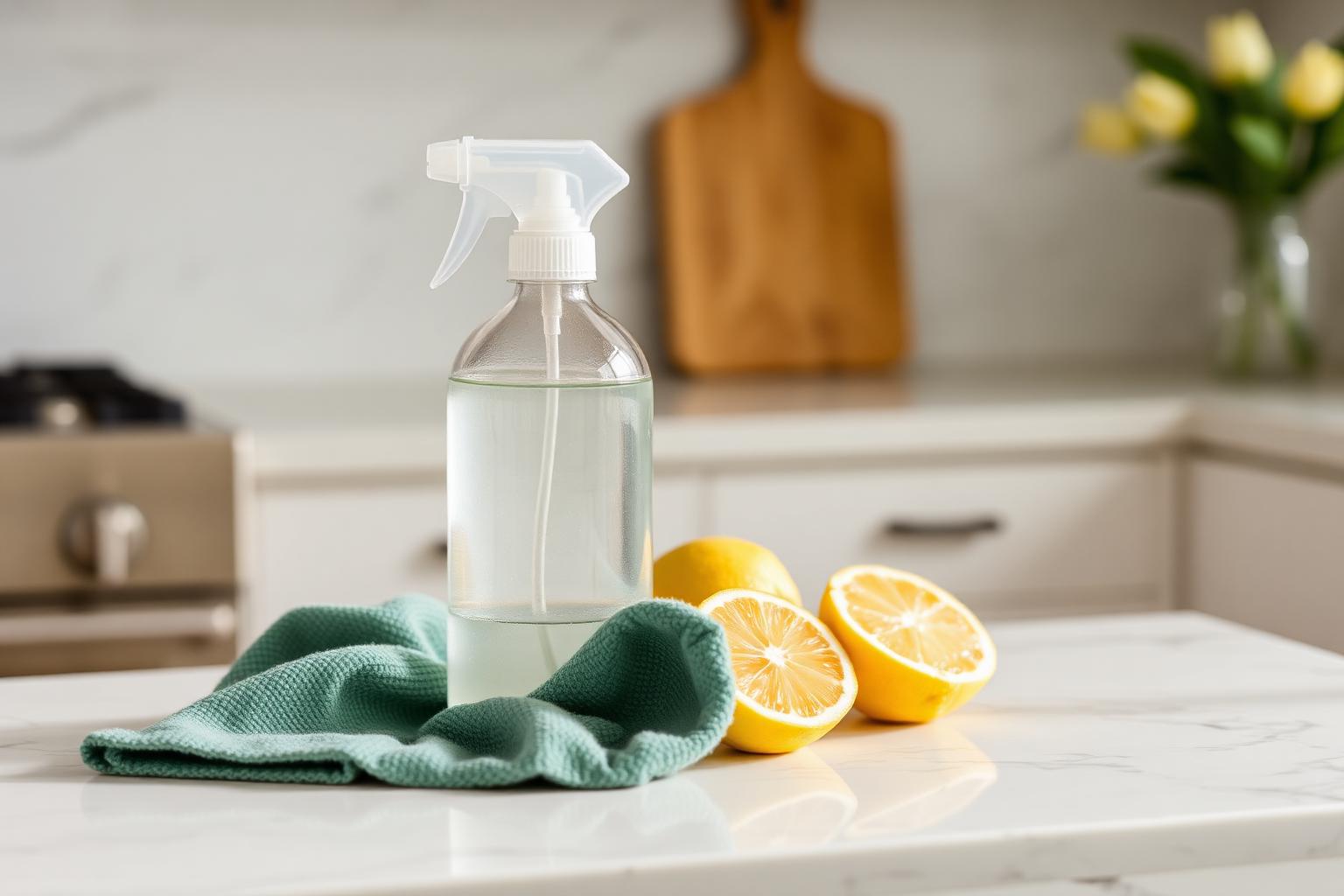
Spring cleaning, the way it is usually described, is a brutal weekend project — pull everything out, scrub for 12 hours, collapse into bed. That image scares people off and most homes never get the seasonal reset they could really use.
The version below is different. It is a four-week, room-by-room plan that takes two to three hours per week and leaves the entire house cleaner, more organized, and better prepared for warm-weather living. Done in pieces, it is calm, satisfying, and surprisingly enjoyable. Pick a week to start and follow the order, or do it in any order that fits your life.
Why Spring Reset Matters
Three things make spring the right season for a whole-home reset. First, the longer daylight makes dirt and dust newly visible — sunlight reveals what winter lamps hid. Second, opening the windows for the first time in months drives out the slightly stale air every closed-up winter home develops. Third, the energy of the season makes the work feel less like a chore and more like a fresh start.
Skip the reset and a home enters summer feeling vaguely heavy. Do it and the rest of the warm season is noticeably more pleasant.
Week One: Kitchen Reset
The kitchen is the highest-traffic, highest-residue room in the house, so it gets week one. Plan two to three hours.
Step one: empty the fridge. Toss expired items, wipe every shelf and drawer, deep-clean the door seals (a toothbrush works perfectly), and put everything back grouped by type. Wipe the outside of the fridge including the top — accumulated kitchen grease lives up there.
Step two: deep-clean the oven. Run the self-clean cycle if you have one, or use a baking-soda paste left on overnight, then scrubbed off in the morning. Replace the foil under the burners (gas stoves) or wipe out the drip pans (electric).
Step three: wipe inside every cabinet. Pull out the contents of one cabinet at a time, wipe the shelf, audit for expired food and unused tools, and put back only what stays. Most cabinets contain at least three things you can donate or toss.
Step four: clean the small appliances — the inside of the microwave, the toaster crumb tray, the coffee maker (descaled with vinegar). Each takes five minutes. Together they make the kitchen feel new.
Week Two: Bathroom Reset
Bathrooms accumulate hidden residue faster than any room except the kitchen. Plan two hours.
Step one: deep-clean the shower and tub. Spray with a vinegar-and-dish-soap mix, let sit for 30 minutes, scrub, and rinse. Scrub the grout with a baking-soda paste and a toothbrush. Replace the shower curtain liner (or wash the fabric one).
Step two: descale the showerhead. Unscrew it, soak in vinegar for an hour, scrub the holes with a toothbrush, and reinstall. Water pressure and spray pattern usually noticeably improve.
Step three: empty the vanity and medicine cabinet. Toss expired products (most expire faster than people realize), wipe shelves, and put back only the things you use weekly. Move occasional items to a less prime location.
Step four: wash the bath mats, bath towels, and shower curtain. Replace any that are visibly worn — towels last about three years before they stop drying properly.
Week Three: Living Areas Reset
Living rooms, dining rooms, and home offices get the same general treatment. Plan two to three hours total.
Step one: pull every piece of furniture two feet from the walls and vacuum the floor underneath. The dust hidden behind couches and dressers is genuinely impressive. Wipe baseboards while you are down there.
Step two: clean upholstery. Vacuum every sofa cushion (lift and vacuum underneath, too), spot-clean any visible stains, and rotate cushions to even out wear. If your upholstery vacuum attachment exists, use it on the sides and back of every sofa.
Step three: wash or replace soft furnishings. Throw pillow covers, blankets, curtains, and rugs all benefit from a wash or shake-out. Curtains specifically hold an enormous amount of dust and benefit from a tumble in the dryer on no-heat with a dryer ball to release it.
Step four: clean light fixtures. Wipe ceiling fan blades, dust pendant lights, take down lamp shades and brush them off, wipe table lamps. Then replace any burnt-out bulbs and consider switching to warm 2700K bulbs if you have not already — the whole room feels different.
Week Four: Bedrooms, Closets, and Exterior
The final week handles personal spaces and the outside of the home. Plan two to three hours.
Step one: deep-clean the mattress. Strip the bed, vacuum the mattress, sprinkle baking soda over it, let sit for an hour, then vacuum again. Wash the mattress protector and pillow protectors. Air the mattress for a few hours before remaking the bed with fresh sheets.
Step two: closet swap. Pull winter clothing forward and store summer clothing in front. Donate anything you did not wear in the past six months. Audit your shoes the same way.
Step three: window cleaning. Inside and outside if you can reach. Streak-free results come from a microfiber cloth and a 50/50 vinegar-water spray, wiped in straight lines (vertical inside, horizontal outside) so you can see which side has streaks if any remain.
Step four: outdoor reset. Sweep the front and back porches, wipe down patio furniture, hose off door mats, refresh planters with fresh soil and a new plant. The first impression of your home (and the view from inside out) is suddenly transformed.
A whole-home reset done in pieces is more sustainable than one heroic weekend. The trick is to start.
What to Buy Before You Start
Stock these once and the whole month flows: a fresh box of microfiber cloths, a gallon of distilled white vinegar, a box of baking soda, a few spray bottles, fresh sponges and scrub brushes, a new pack of melamine erasers, a few rolls of paper towels for the messy steps, and a couple of trash bags for purge piles. Total cost about 35 dollars.
Maintenance Through the Year
Once a home is fully reset in spring, a 30-minute weekly tidy plus a one-hour monthly catch-up keeps it close to that condition all year. The yearly deep work next spring is then half the project. Most homes that get one good annual reset never need a four-week project again — a long weekend handles it.
What to Skip
Spring cleaning is not the time to organize the garage, repaint a room, redo a closet system, or undertake any project that takes more than a few hours per room. Those are their own dedicated projects. Spring reset is about cleaning, refreshing, and editing what already exists, not redesigning anything. Save the bigger projects for their own dedicated weekends.
Final Thoughts
Spring is a season the house notices. Light shifts, air moves, plants come back, and the whole rhythm of life opens up. A home that has been freshly reset receives the season better — there is more capacity for hosting, more pleasure in being inside, more energy for the summer ahead. Four weeks of two-hour blocks is nothing compared to the months of small daily payoff. Start with whichever week appeals to you most and let the rest unfold.
Filed in Home & DIY · Seasonal Care
More articles