Spices are the smallest organizing problem in the kitchen and somehow the most chronically unsolved one. Half the cooks I know have a spice cabinet where every jar is the wrong shape, the labels face the back, and there are at least three jars of paprika because nobody could find the first two when they needed it. The result is duplicated purchases, missed flavors, and meals that taste a little flatter than they should.
Fixing the spice situation takes about three hours including a quick trip to the store. It also fundamentally changes how you cook, because spices you can find are spices you actually use.
The Three Storage Options
Before you reset anything, decide which storage system fits your kitchen. There are really only three good options, and each works well for a different setup.
Option One: A Drawer
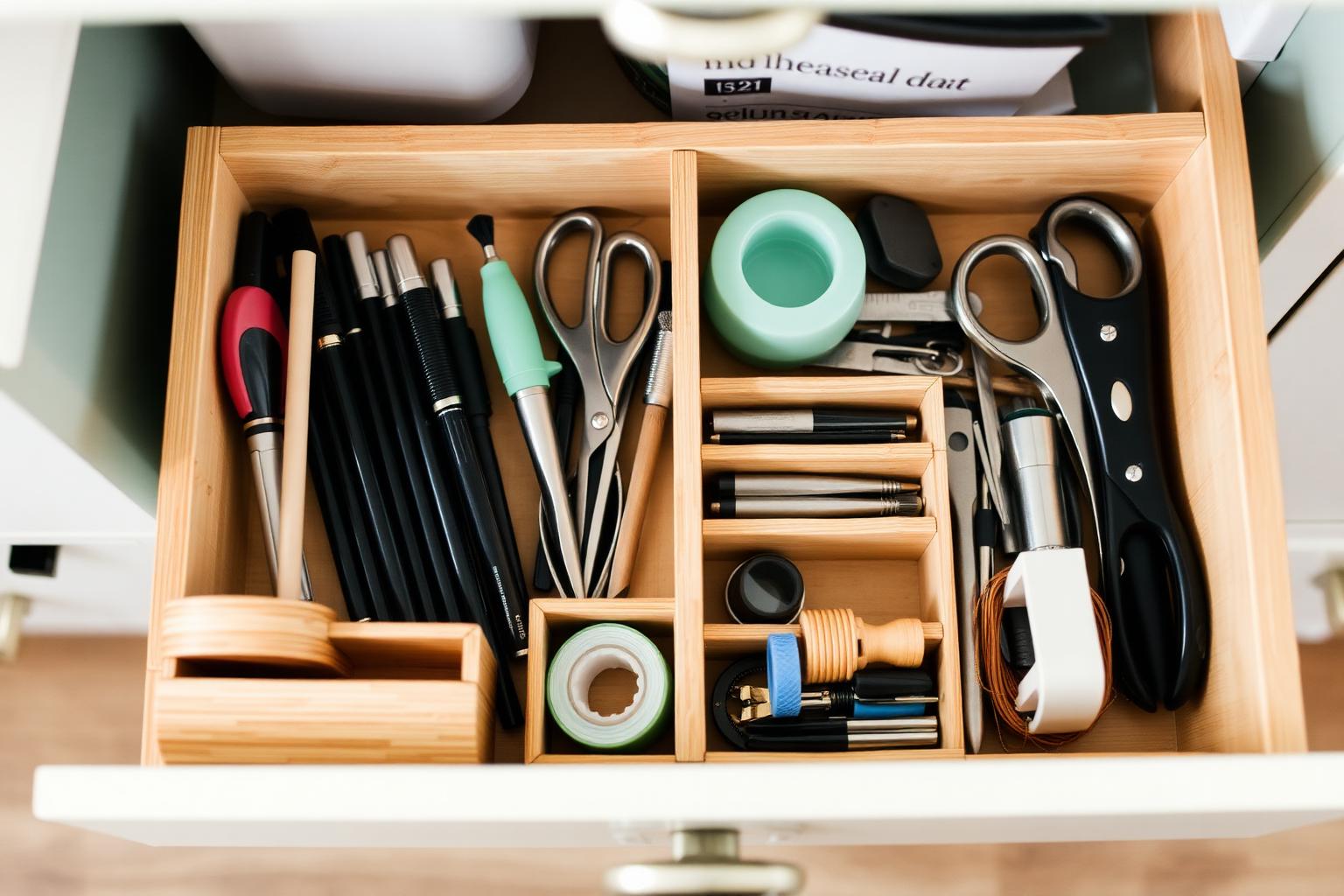
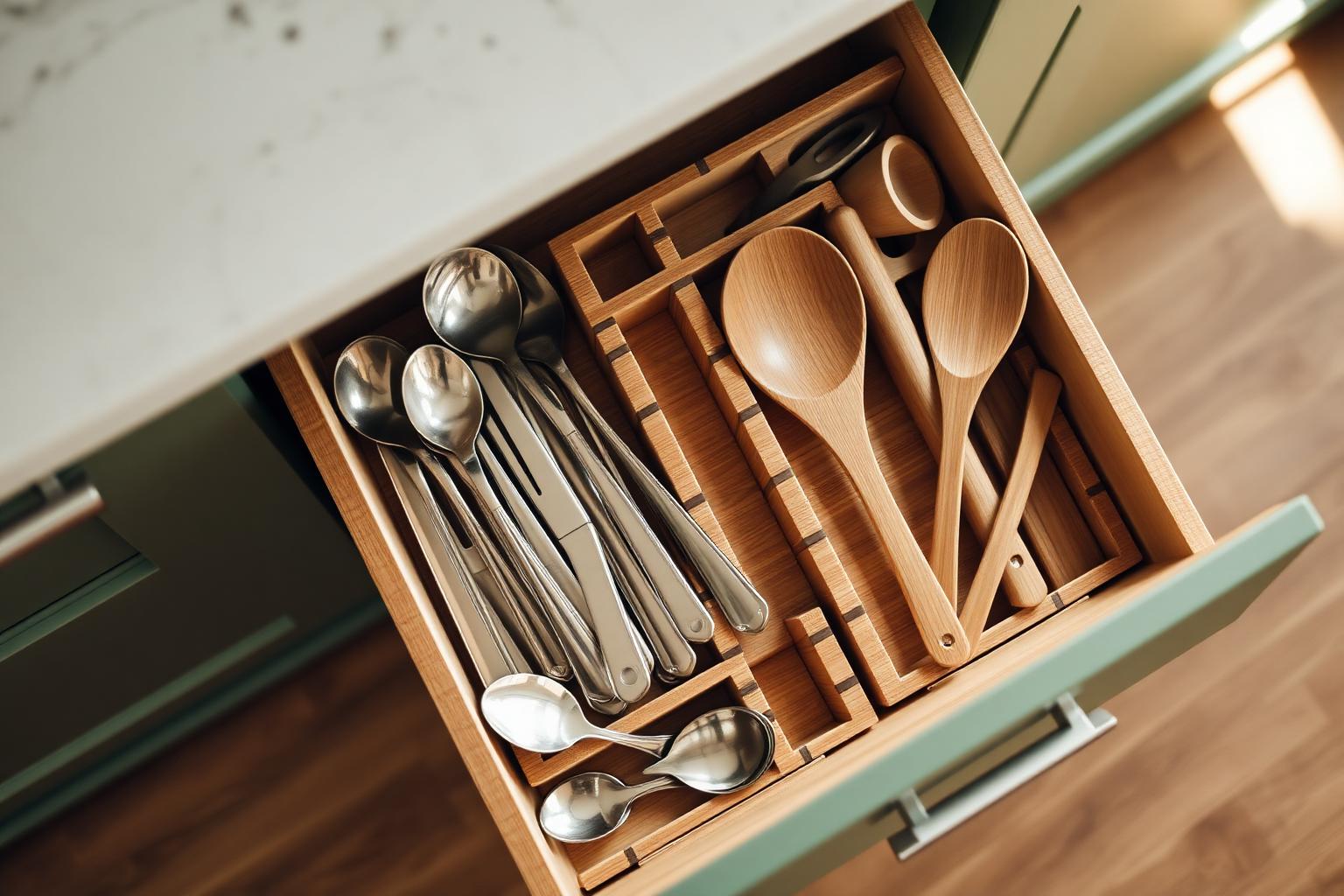
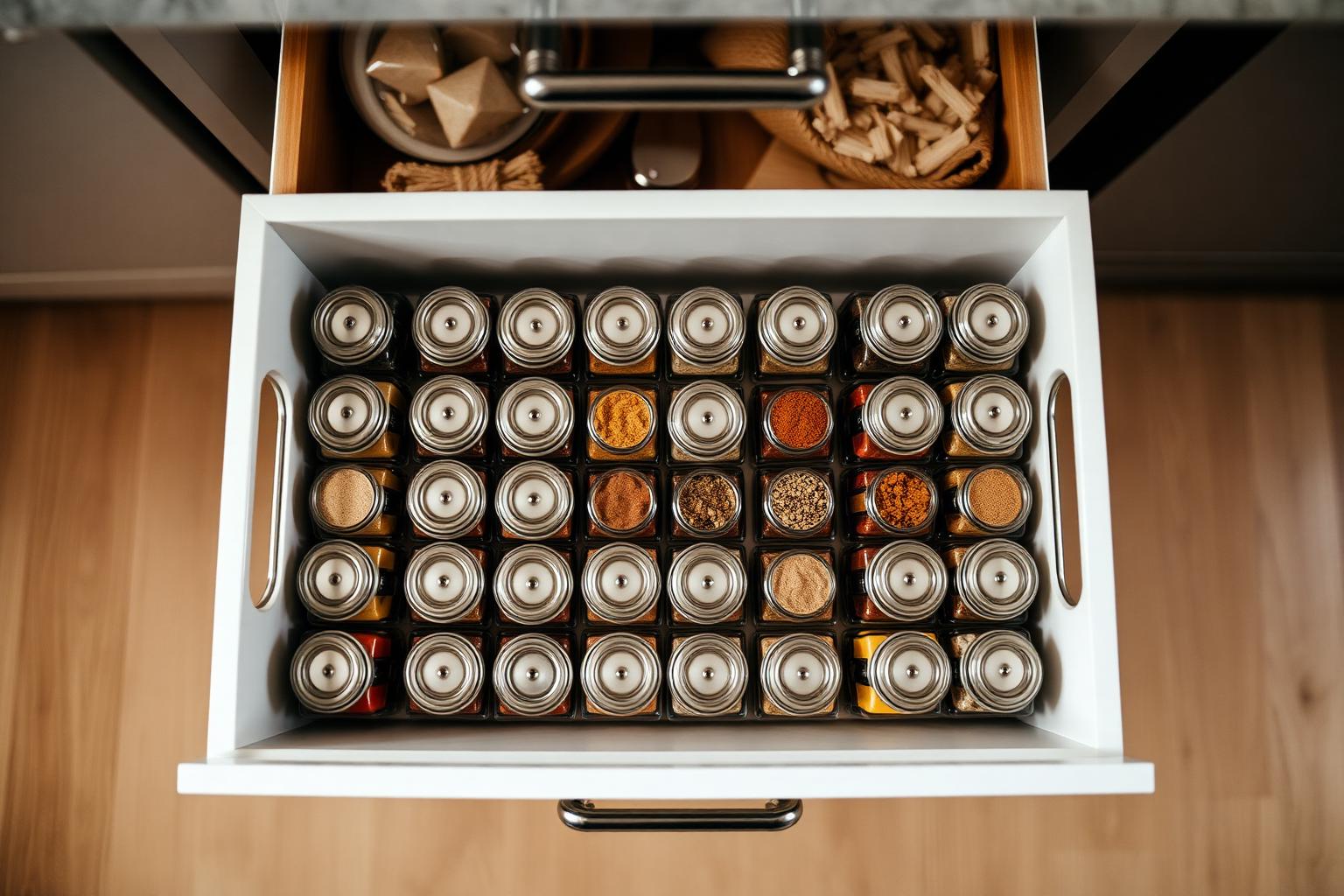
A drawer near the stove is the gold standard if you have one. Spices lie flat with the labels visible at a glance. You see every jar at once and never have to dig. Requires a drawer dedicated specifically to spices.
Option Two: A Tiered Cabinet Shelf
If you only have a cabinet, the riser-style tiered shelves stack jars at different heights so you can see every label without moving anything. Cheap to set up and works in any standard cabinet.
Option Three: A Wall-Mounted Rack
If counter and cabinet space is tight, a slim magnetic or hanging rack on the wall or inside a cabinet door keeps spices visible and out of the cooking footprint. Best for small kitchens.
Pick one. Do not try to use two systems at once. The whole point is that every spice has one and only one location.
Step One: Empty Everything Onto the Counter
Bring out every spice jar from every cabinet, drawer, and corner. Yes, including the back of the cabinet where the cumin from 2019 has been hiding. Yes, including the ones in the pantry. Yes, including the bay leaves on top of the fridge. Put them all in one place.
Step Two: Check Expiration Dates
Spices do not technically go dangerous, but they do lose potency. Ground spices last about a year. Whole spices last two to three. Anything older than that has very little flavor and is taking up valuable storage space.
Open each jar and smell it. If it smells like a faint memory of itself, replace it. If it smells like nothing, replace it. If it smells the way it should, keep it. Toss the empty husks. You will probably end up tossing 20 to 40 percent of what you started with, which is normal and a little freeing.
Step Three: Standardize the Jars
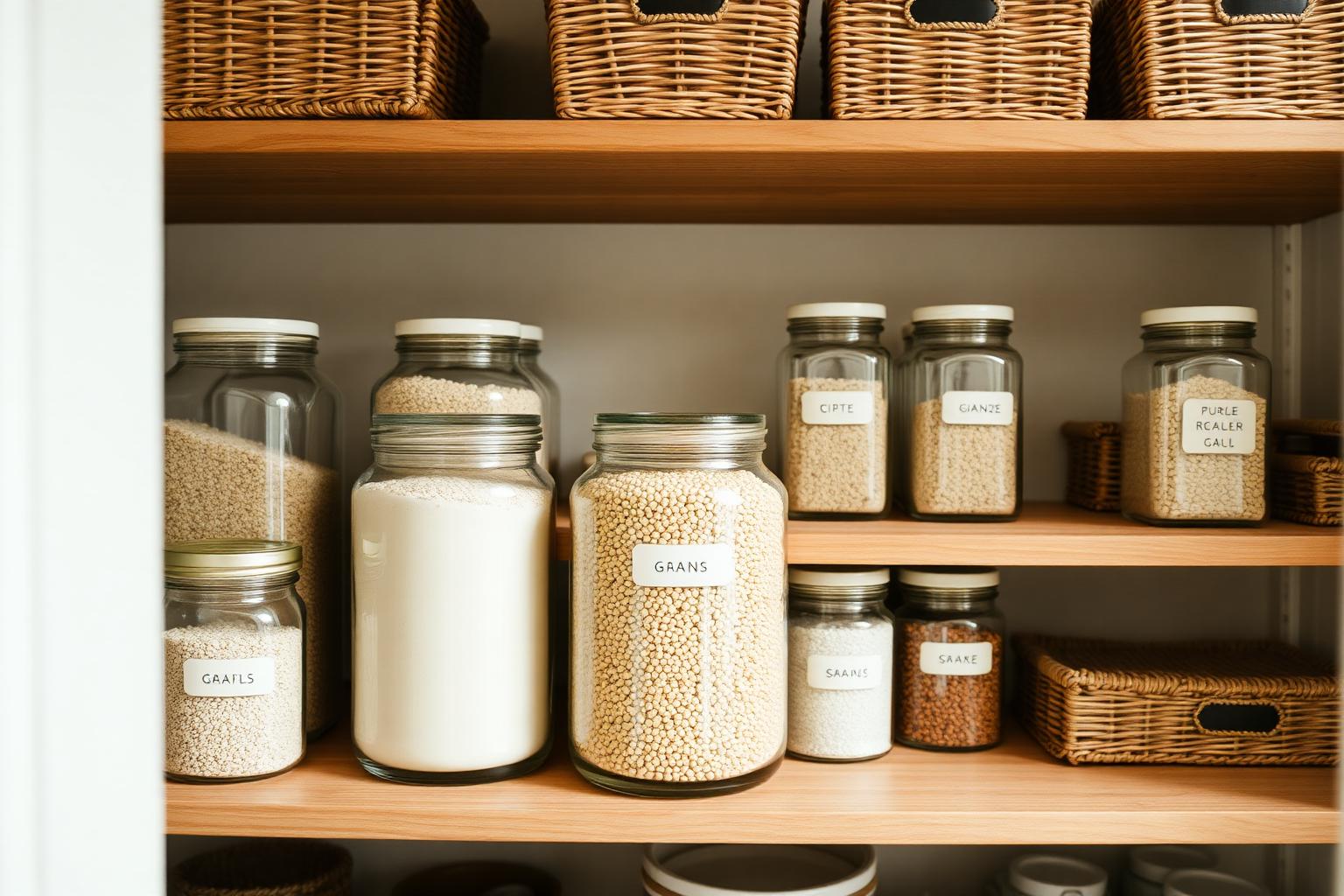
This step is optional but worth the small investment. Buy a set of matching glass jars — square jars are most space-efficient — with magnetic lids if you want to use the inside of a cabinet door. A set of 24 jars costs about 40 dollars and lasts forever.
Decant every spice into the matching jars. The visual calm of a uniform set is genuinely worth it, but more importantly, you can actually see what is in each jar. Mixed-shape commercial bottles, especially the dark ones, make it hard to tell what is left and how much.
Step Four: Label Both the Top and the Side
Use a label maker, a paint pen, or simply a piece of masking tape with a marker. Label the top of each jar (so you can read it when looking down into a drawer) and the side (so you can read it when looking at a cabinet shelf). Doing both takes ten extra minutes and pays off forever.
Include the date you opened the jar in small print. This makes the next decluttering decision much easier in a few years.
Step Five: Arrange Alphabetically
There are two schools of thought on spice organization: alphabetical and by use (Italian, Mexican, Indian, etc.). I have tried both, repeatedly. Alphabetical wins every time. The reason: alphabetical is unambiguous, while use-based requires every cook to remember which category each spice belongs to and to make a judgment call for spices used across cuisines.
Alphabetical means anyone in the house can put a spice back correctly. That is the entire reason a system endures over years.
Step Six: The Refill Stash
Keep your bulk refills (the bigger bags of the spices you use most) in a separate small container in the pantry. A small box labeled 'spice refills' is enough. When a jar runs low, you refill from the bulk stash. This separates daily-use storage from inventory storage, which keeps the cooking space uncluttered.
What to Skip
Skip the carousel-style spice racks. They look nice but they make every spice on the back invisible, so you eventually only use the front quarter. Skip the wood spice cabinets with small holes for jars — you can never see the labels and you cannot easily upgrade the jars. Skip storing spices anywhere that gets hot, like above the stove or in direct sunlight; heat degrades spices faster than time does.
A spice you cannot find is a spice you will not use. A spice you do not use is a meal that tastes slightly less alive.
A Quick Note on Salt and Pepper
These do not go in the spice drawer. Keep them in a small dish or grinder right next to the stove, where you reach for them dozens of times during cooking. Treating salt and pepper as drawer items adds friction to every step of cooking. They are the only spices that genuinely earn dedicated counter space.
The Quarterly Maintenance
Every three months, open the spice drawer and do a one-minute scan. Are any jars empty? Add to the grocery list. Are any duplicates lurking? Combine. Are any jars in the wrong alphabetical spot? Swap them. The quarterly check is what keeps the system from drifting over time.
Building New Habits
The biggest change after a spice reset is that you start cooking with more variety. When you can see every spice at a glance, you reach for the ones you used to forget existed — the sumac, the smoked paprika, the za'atar. The reset is not just about tidiness. It is about expanding what dinner can taste like.
Final Thoughts
Three hours, forty dollars in jars, and one trip to refill the spices that turned out to be too old. That is the whole project. The payoff is faster cooking, less duplicate buying, and the small daily pleasure of a drawer that looks the way you wanted your kitchen to look the day you moved in. Few organizing projects in the kitchen return as much value for as little effort.
Filed in Organizing · Pantry & Kitchen
More articles