Your kitchen probably gets more cleaning attention than any other room in the house, which makes it especially frustrating when it still feels grimy by the end of the week. The issue is rarely effort. It's usually one of these seven habits silently working against you.
1. Using the Same Sponge for Everything
Sponges are some of the dirtiest objects in a home. Studies have found more bacteria per square inch on a kitchen sponge than on a toilet seat. Using the same one to wipe down counters and wash dishes spreads contamination instead of cleaning it.
Fix: keep two designated cloths. One microfiber for counters and surfaces, one separate sponge or brush for dishes. Wash the microfiber cloth every two or three days and microwave a damp sponge for one minute daily to reduce bacteria.
2. Spraying Cleaner Directly on Surfaces
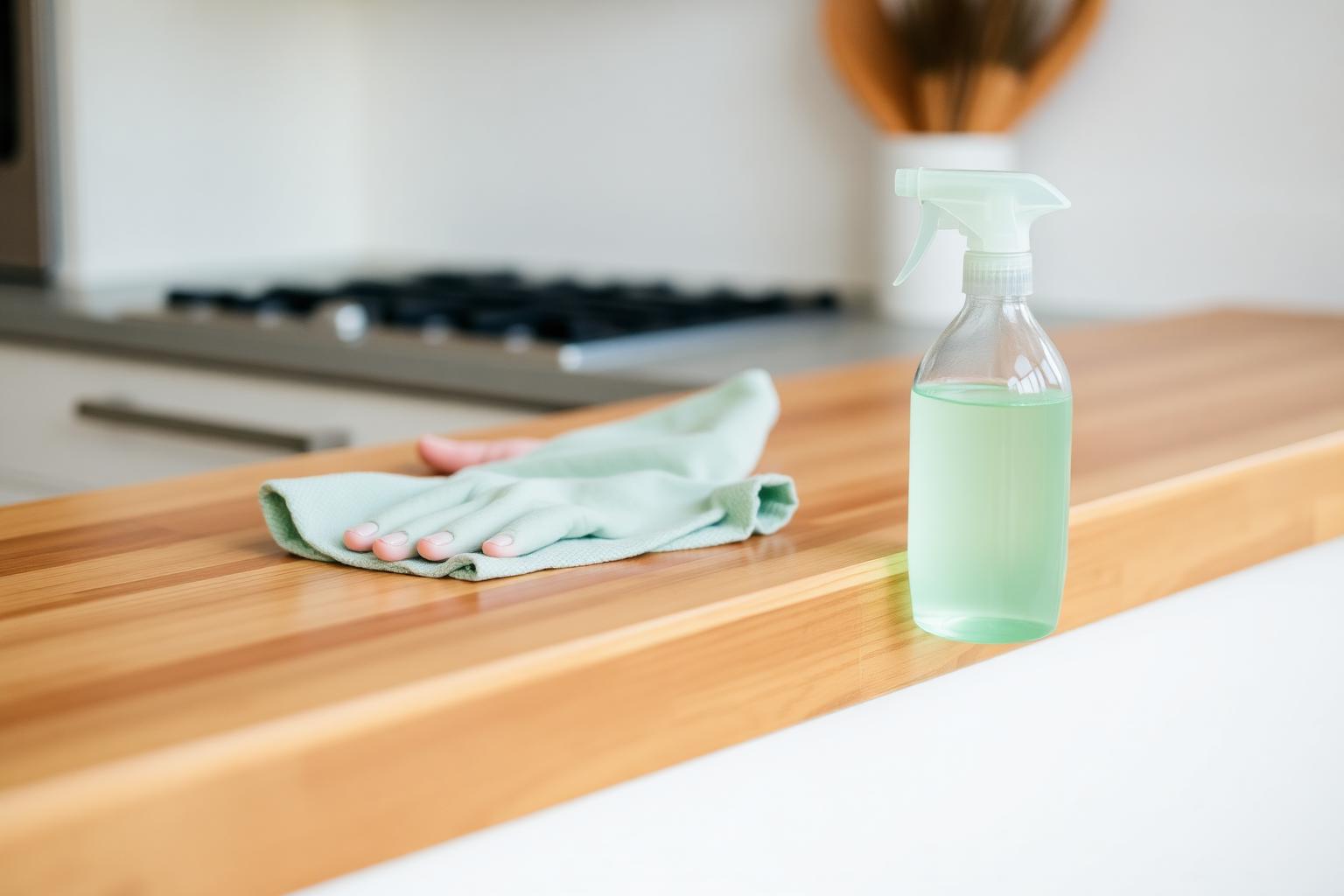
When you spray cleaner straight onto a counter, most of it runs off, gets wiped up immediately, and never has time to actually do its job. Disinfectants need contact time, usually thirty seconds to several minutes, to work.
Fix: spray the cleaner onto your cloth, wipe the surface, then walk away for a minute before doing a final dry wipe. You'll use less product and get a better result.
3. Wiping Down a Hot Stovetop
Cleaning a stovetop right after cooking feels productive, but the heat bakes spills and cleaners onto the surface, making them harder to remove and dulling the finish over time.
Fix: wait until the stove is fully cool. If a spill is really bad, lay a damp cloth over it while you eat. By the time dinner is done, the spill will wipe up effortlessly.
4. Ignoring the Sink
Your kitchen sink, especially the drain and the area around the faucet, gets bacteria from raw food, dirty dishes, and standing water every single day. A sink that looks clean can still be the dirtiest spot in your kitchen.
Fix: once a week, scrub the sink with baking soda, then pour a cup of white vinegar down the drain. Wipe the faucet handles with disinfectant. This takes three minutes and prevents that vague kitchen smell almost every home develops eventually.
5. Putting Wet Things Away
Putting damp dish towels in a drawer, stacking not-quite-dry pans in a cabinet, or returning a still-wet cutting board to its slot creates the warm humid environment that mold and bacteria love.
Fix: dry everything fully before it goes away. If you don't have time, leave items on a drying rack rather than stuffing them somewhere humid.
6. Cleaning the Microwave Once a Quarter
Microwave splatter hardens over time into a layer that requires real scrubbing. If you wait until it looks bad, you've waited too long.
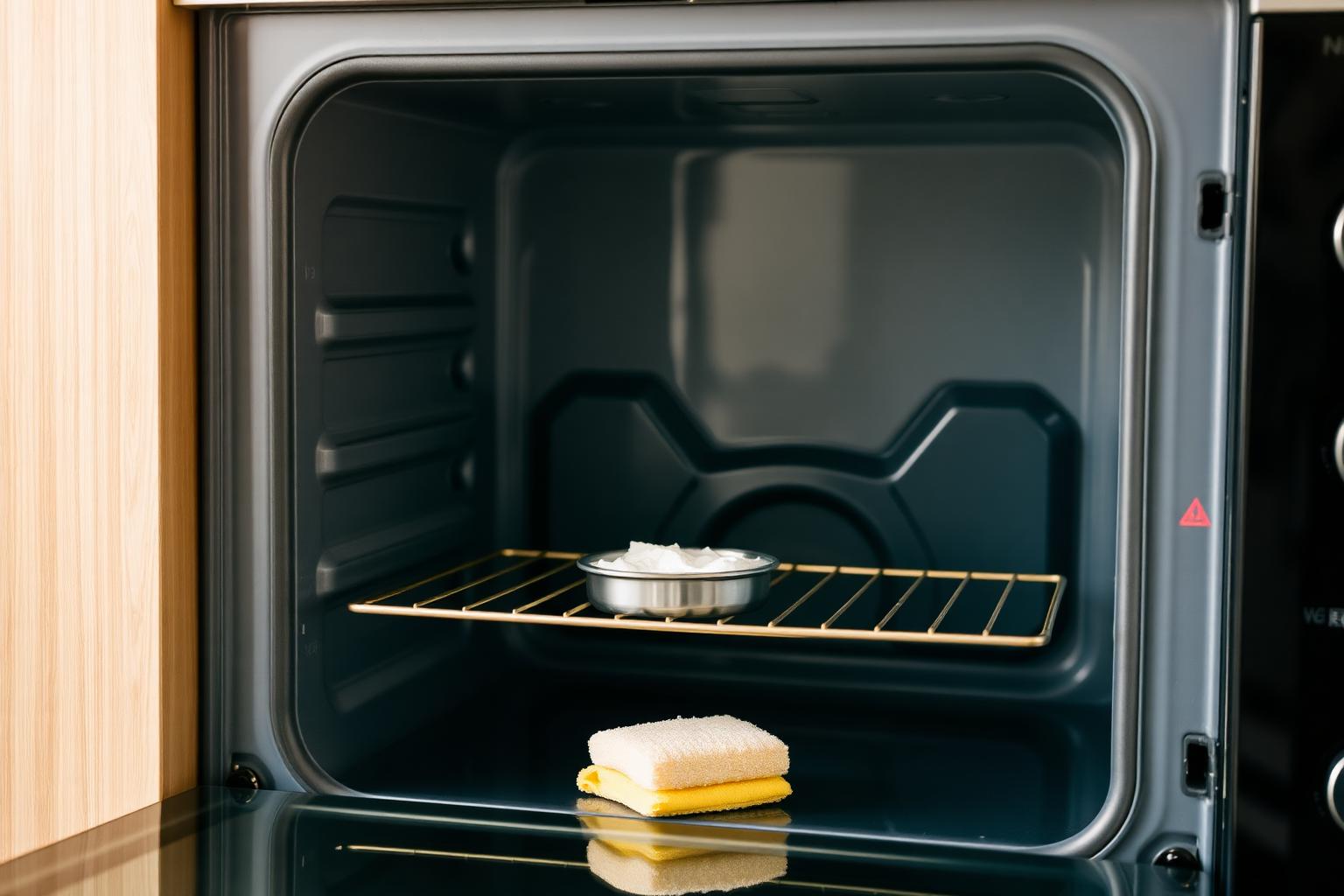
Fix: every Sunday, microwave a bowl of water with a few lemon slices for three minutes. The steam loosens everything. Wipe the interior with a cloth and you're done in 90 seconds.
7. Forgetting the Handles and Switches
Refrigerator handles, oven handles, cabinet pulls, faucet levers, light switches. These get touched every time you cook and almost never get cleaned. They're the silent reason kitchens feel grimy even after a full wipedown.
Fix: every time you do a counter wipe, do a quick five-second pass over every handle in arm's reach. It adds no real time and changes how clean the room actually is.
- Two cloths, never one
- Spray the cloth, not the counter
- Wait for the stove to cool
- Treat the sink as a surface, not a hole
- Dry everything fully
- Steam the microwave weekly
- Wipe handles every time
A clean kitchen is rarely about working harder. It's about working slightly smarter, in the same amount of time.
Final Thoughts
Fix even three of these and your kitchen will feel noticeably different within a week. Fix all seven and you'll wonder why nobody ever told you any of this.
Filed in Cleaning · Kitchen Cleaning
More articles