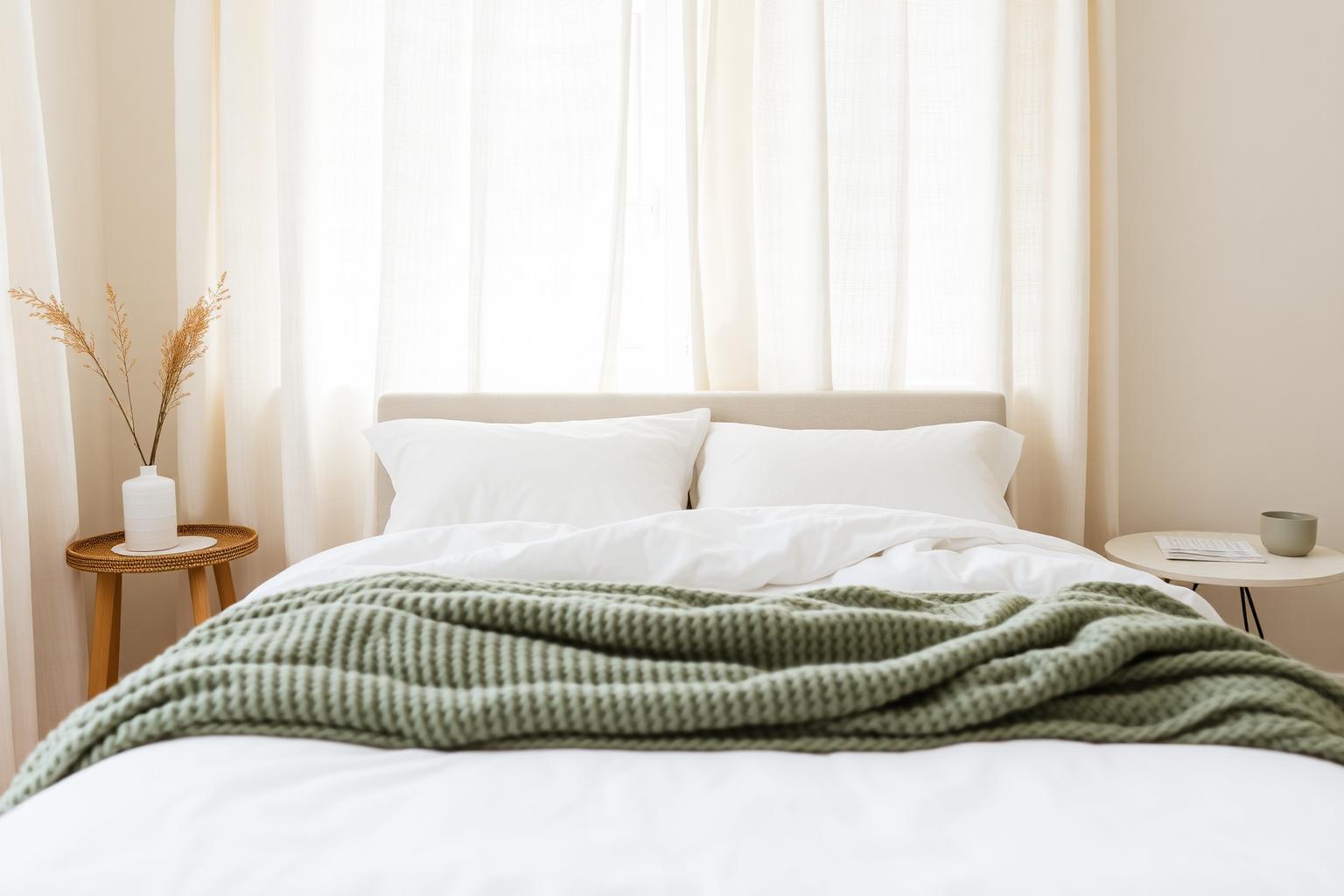
Pay attention, for one night, to what is on your nightstand. Most people, when they look honestly, find a small archeological dig: three half-empty water glasses, two books they meant to read, a phone charger tangled with a pair of headphones, a tube of hand lotion, an alarm clock nobody uses, a bowl of jewelry, and a coaster with the ring of a coffee cup from last Tuesday.
It does not sound consequential. It is. The nightstand is the last surface your brain registers before sleep and the first one it registers when you wake. A cluttered nightstand contributes — quietly, but in measurable ways — to less restful sleep and a more anxious start to the day. The reset below takes 15 minutes and changes both.
The Five-Item Rule
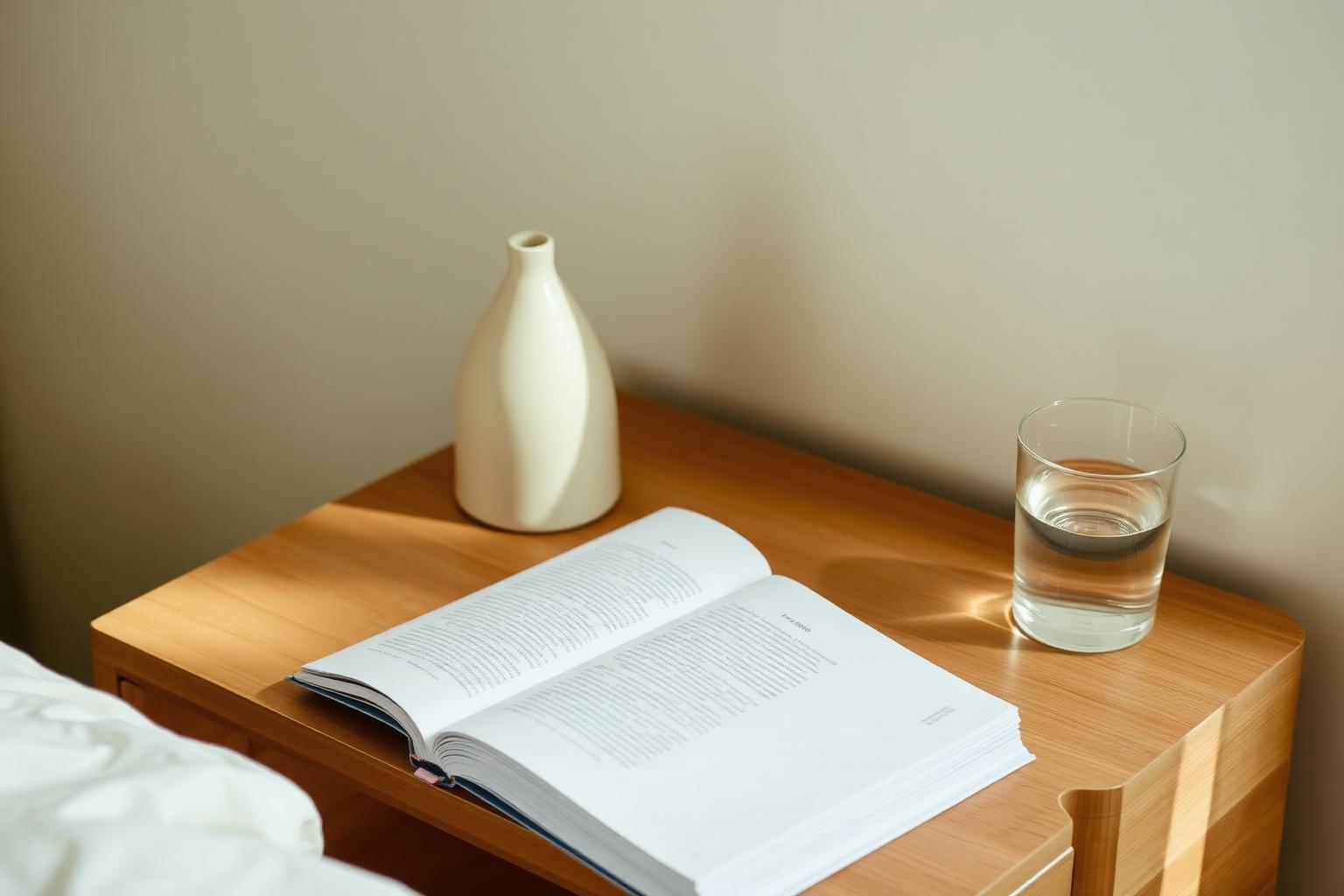
A healthy nightstand holds no more than five items. Anything beyond five starts to feel like a junk drawer with a lamp on it. Pick the five items that genuinely serve you, and store everything else somewhere appropriate.
The five items for most people are: a lamp, a glass of water, the current book, a phone (or charger), and one personal item (lip balm, hand cream, a single piece of jewelry). Yours might be slightly different. The number is the rule, not the specific list.
Step One: Empty Everything
Take everything off the nightstand. Yes, including the lamp. Set it all on the bed or the floor. Wipe the surface clean. Open any drawers and empty those too. Pretend you just moved in.
Step Two: The Triage
Sort everything into three piles: keep on the nightstand, store in the nightstand drawer, and store elsewhere.
The 'keep on top' pile follows the five-item rule. The drawer pile holds things you need within reach but not on display — extra phone charger, sleep mask, an emergency snack bar, the e-reader. The 'elsewhere' pile is the things that drifted onto the nightstand and never left: receipts, dishes, books finished months ago, the random pen, the headphones that have a real home in another room.
Put each pile away in its actual location before the next step. Doing the triage and the putting-away in one motion prevents the drifting from starting up again.
Step Three: Set the Lamp First
When you put the nightstand back together, start with the lamp. Position it where the light falls best for reading. Then place the four other items around it.
The visual logic of starting with the largest item and building around it makes everything look intentional rather than crowded. Designers do this with every room; the principle applies to a single surface just as well.
Step Four: The Drawer
Inside the drawer, keep only what serves bedtime or bedside use. A small open box or shallow tray inside the drawer is enough to define sections: charging cables in one, personal care items in another, an empty space for the book once you finish it and have not yet replaced it.
Resist the urge to use the nightstand drawer as overflow storage for things that have no other home. The drawer is small, and adding items it does not need will defeat the calm you are building above it.
Why It Matters for Sleep
There is a meaningful body of research on visual environment and sleep quality. The short version: visual clutter activates the brain's monitoring functions even after you close your eyes. People who sleep in cleaner environments fall asleep faster and report more restful nights on average. The nightstand is the most influential surface in this equation because it is the closest surface to your face.
You do not need a published study to test this. Try the reset for one week. Pay attention to whether you fall asleep faster and whether you wake up feeling slightly less stressed. Most people notice the difference within three nights.
The Glass-of-Water Habit
One small habit that pairs with the nightstand reset: refill your water glass every morning when you make the bed. By bedtime the glass is full and waiting. Most people skip the night water because they forgot to set it up, and ten minutes of effort the next morning solves the problem permanently.
The Phone Question
Whether your phone belongs on the nightstand is its own question. The argument for: it is your alarm, and you might need it in the night. The argument against: every notification interrupts sleep, and the temptation to check it the moment you wake up sets a tone for the day.
A workable middle: phone on the nightstand, but on Do Not Disturb from 10 PM to 7 AM, with the screen face-down. Or, more dramatically, phone charging in the kitchen overnight and a cheap analog alarm clock on the nightstand. Both work; pick the one that fits your life.
The closest surface to your face when you fall asleep should not look like a junk drawer.
Replacing the Stack of Books
If you, like many readers, have a stack of unread books on the nightstand, here is a gentler approach. Keep one book — the one you are currently reading — on the nightstand. Move the rest to a shelf or a small basket nearby. Books rotate onto the nightstand one at a time as you finish each one.
This single move makes the nightstand feel five times calmer and removes the small guilt of seeing the books you have been meaning to read every single night.
A Note on Couples
If you share a bedroom, the reset works best when both nightstands are reset together and follow the same five-item rule. Mismatched nightstands — one calm, one chaotic — still feel unsettled visually. Negotiate the five items each person needs and respect the rule on both sides.
The Maintenance Habit
After the initial reset, the maintenance is a single moment built into the morning routine. When you make the bed, glance at the nightstand and put away anything that does not belong to the five-item rule. Twenty seconds. The nightstand stays at baseline indefinitely.
What Counts as a Personal Item
The fifth item — your one personal thing — varies by person. Lip balm. A favorite hand cream. A single piece of jewelry you wear every day. A small framed photo. A worry stone. Whatever makes the surface feel like yours instead of a hotel room. One item, chosen on purpose, is far better than five items chosen by accumulation.
Final Thoughts
The nightstand is a small surface with an outsized influence on your sleep, your mornings, and how your bedroom feels overall. The reset takes 15 minutes once, plus 20 seconds a day to maintain. Few projects in a home return as much daily value for as little effort. Try it tonight. You will notice the difference before the week is out.
Filed in Organizing · Closet & Bedroom
More articles