After years of looking at design magazines and wondering why my rooms never matched, I finally figured out that the gap is rarely about money. It is about a handful of small, almost invisible decisions that designers make automatically and the rest of us never think about. Most of them cost nothing.
Here are the eight that have made the biggest difference in my own home and the friends' homes I have helped style. Try one and you will see it. Try three and the room will start to look like a different room.
1. Raise Your Curtain Rods
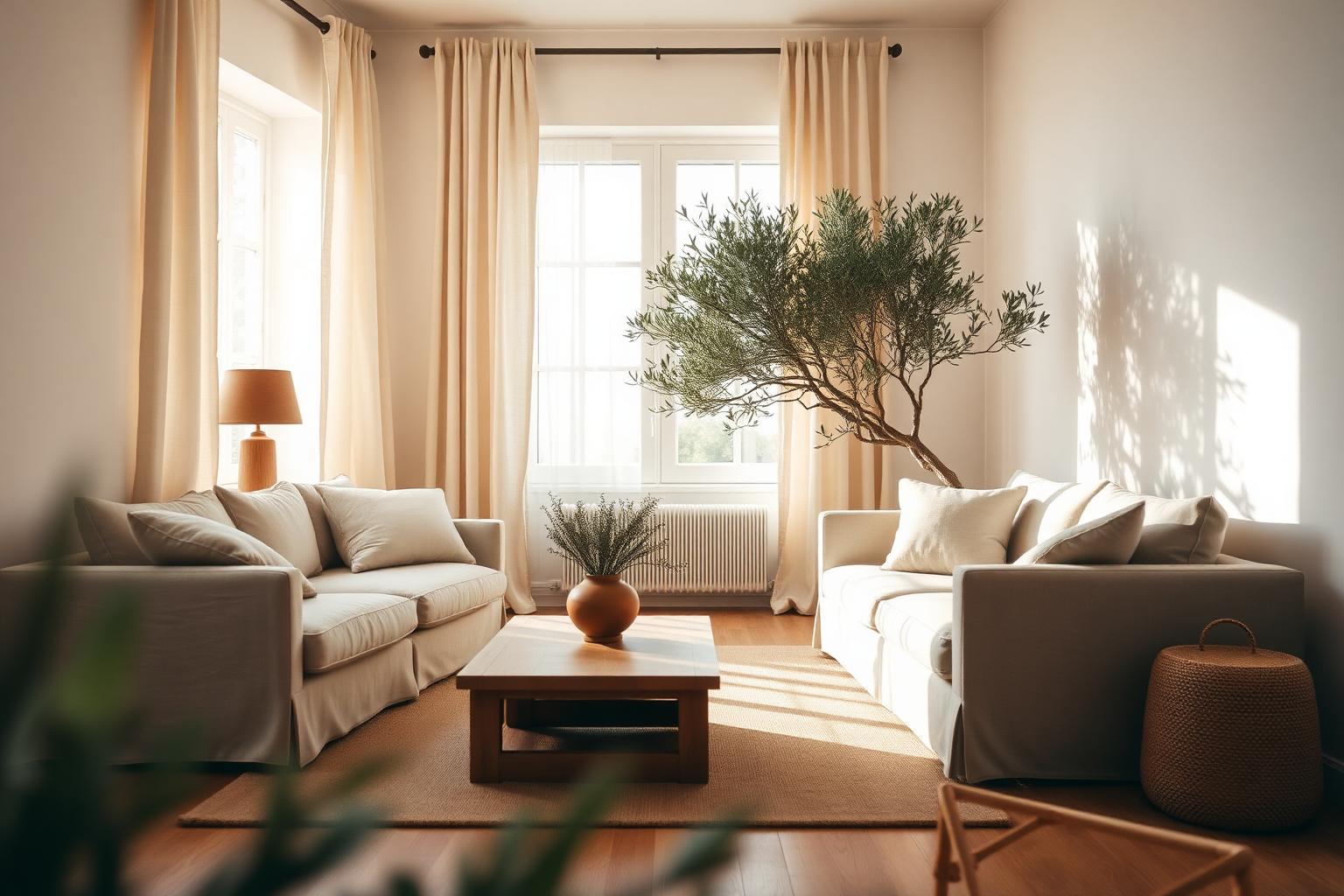
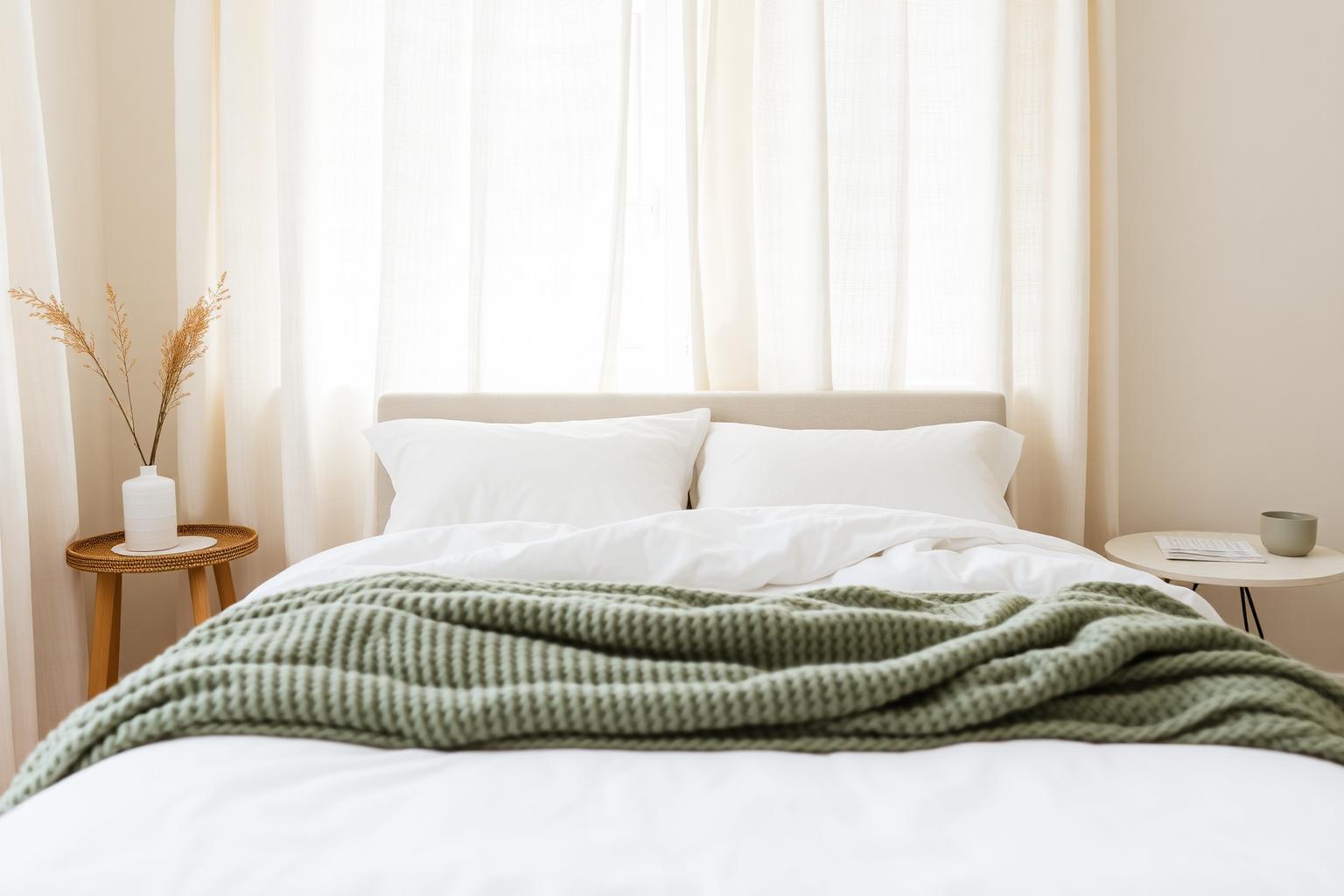
Curtain rods almost always belong higher than people think — ideally two to four inches below the ceiling, not just above the window frame. The high rod makes the ceiling feel taller, the window feel grander, and the room feel more intentional. The difference is dramatic and the move costs nothing if you already own the rods.
Then extend the rod 8 to 12 inches past each side of the window frame so the curtains stack to the side instead of covering the glass. More daylight, more drama, no extra fabric.
2. Get the Rug Size Right
The single most common styling mistake in living rooms is a rug that is too small. The classic floating five-by-seven in a 12-foot room looks like a postage stamp. A correctly sized rug fits all four legs of the main seating, or at minimum the front two legs of every piece. In most living rooms this means eight-by-ten or nine-by-twelve.
If a properly sized wool rug is out of budget, a large flatweave or even a layered approach (small natural fiber rug under a smaller patterned rug) works. Just do not leave a tiny rug stranded in the middle of the floor.
3. Mix Metals Intentionally
Rooms that use only one metal finish (all brass, all chrome, all black) feel matchy and a little flat. Rooms that use two intentionally chosen metals feel collected and rich. The reliable pairing is warm metal (brass, brushed gold) with a single grounding dark metal (matte black or oil-rubbed bronze). Use one as primary, the other as accent. Avoid mixing three metals unless you are a confident stylist.
4. Light at Three Heights
Designers light a room at three levels: ceiling, eye-level, and table-level. Most rooms have only ceiling lights and feel flat and bright in the wrong way. Add at least one floor lamp (eye-level) and one table lamp (table-level), put them on warm bulbs (2700K), and put both on dimmers if you can. The room will instantly feel cinematic at night.
Smart bulbs solve the dimmer problem without rewiring. A six-pack costs about 60 dollars and dims every lamp in the room with an app or voice command.
5. The Tray Trick
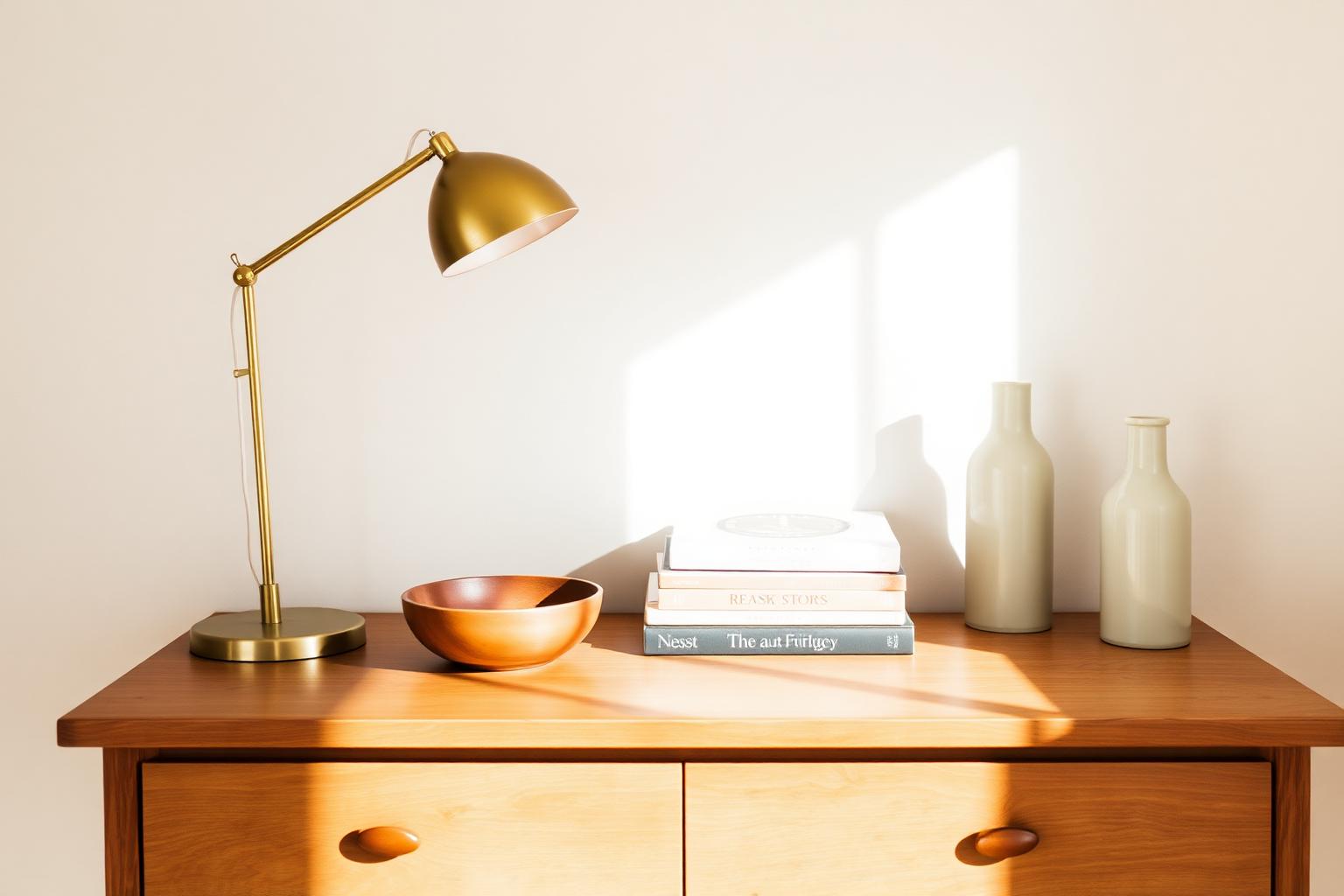
Coffee tables, ottomans, and dressers always look better with a small tray on top corralling whatever else lives there. A wooden or brass tray takes the candle, the small stack of books, and the dish of remotes and transforms them from clutter into a vignette. Same objects, completely different visual weight.
The rule is loose: anything on a flat surface that isn't a single statement piece probably wants a tray under it.
6. Cluster in Odd Numbers
Group objects in threes, fives, or sevens — never twos or fours. Three vases of varying heights on a shelf, five books stacked horizontally, seven small frames on a wall. Odd numbers force the eye to keep moving and read as collected. Even numbers read as symmetrical and a little forced, except in deliberately symmetric arrangements (matching lamps on a console, matching chairs flanking a fireplace).
7. Add One Antique or Vintage Piece
Every room needs at least one object that is older than you are. A vintage rug, an antique mirror, a salvaged side table, a real piece of art from a thrift store. The room reads as collected over time instead of bought at one store in a single afternoon. The piece does not need to be valuable — it just needs to be old.
Estate sales, antique malls, and Facebook Marketplace are full of small old things for under 50 dollars. One single old piece carries the whole room.
The difference between an expensive-looking room and a generic one is rarely the price tag. It is the willingness to make decisions.
8. Negative Space Is the Luxury
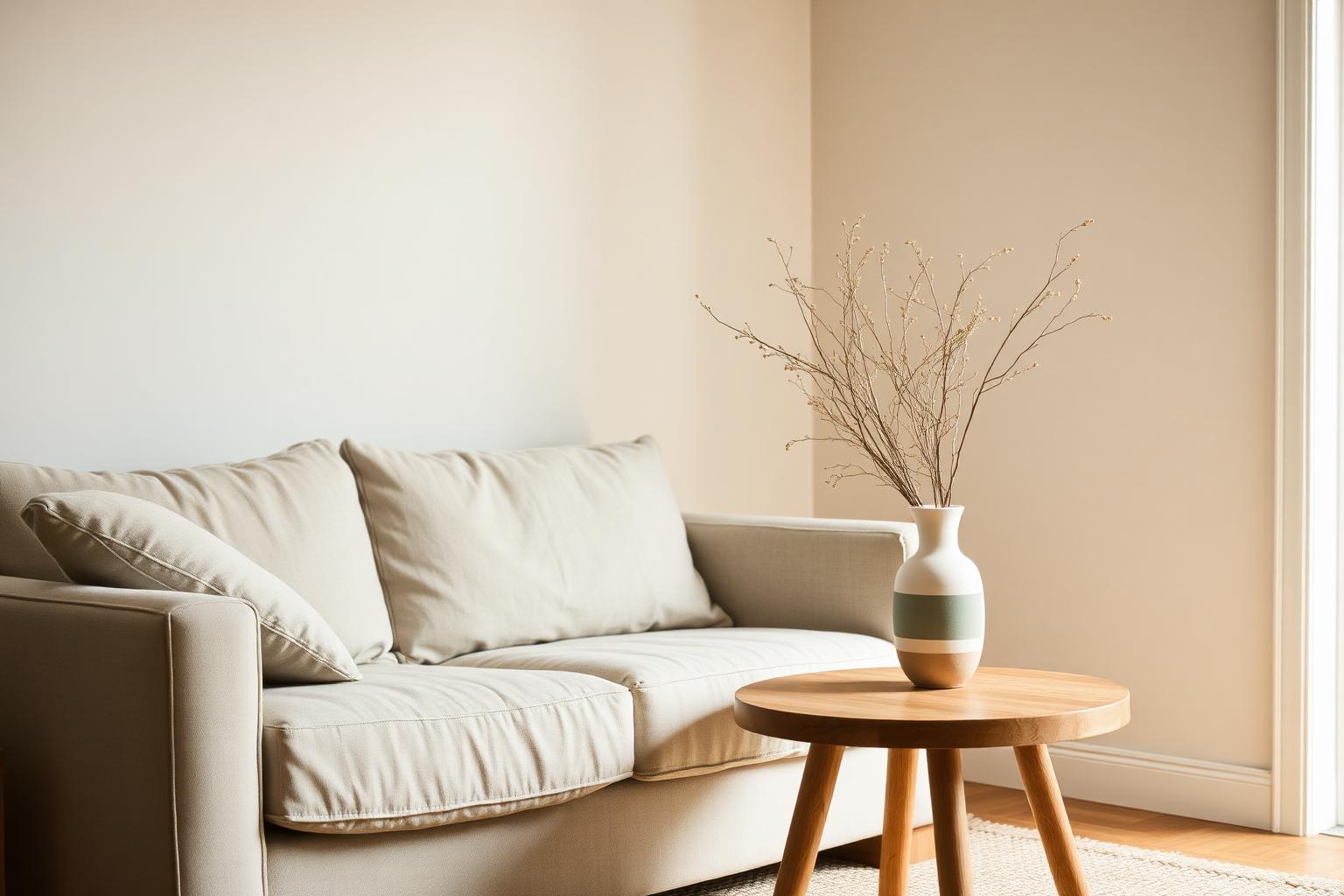
The clearest signal of an expensive-looking room is empty space — a bare mantel except for one object, a coffee table holding only a tray and a book, walls with one large piece of art instead of seven small ones. Negative space costs nothing and is the single hardest move because it requires removing things you already own.
Try this: pick the most-cluttered surface in your room, take everything off it, and put back only the two most beautiful objects. Live with it for a week. You will almost never want the other things back.
A Bonus Move: The Single Bowl
Buy one beautiful large bowl — wood, stone, ceramic, doesn't matter — and put it on the coffee table or kitchen counter. Leave it empty, or put one piece of fruit in it, or one small cluster of dried branches. A single beautiful bowl is the cheapest, easiest piece of styling in any room. I have given more bowls as housewarming gifts than I can count, and every recipient eventually tells me it became their favorite thing.
Final Thoughts
Expensive-looking rooms are not the result of big budgets. They are the result of a handful of small decisions made carefully — raising the rods, sizing the rug, mixing two metals, lighting at three heights, clustering in odds, and leaving room around the objects you love. Most of these cost nothing and pay back forever. Pick three, try them this weekend, and watch the room change.
Filed in Home & DIY · Decor & Styling
More articles