The cleanest bathrooms I have ever been in did not belong to people who scrub harder on Saturdays. They belonged to people who do almost nothing on Saturdays — because they have a quiet two-minute habit that prevents the mess from happening at all. The habit is small enough to feel silly when you first start, and consequential enough that it eventually replaces almost all your weekly bathroom cleaning.
This piece is about that habit. It is not a list of seventeen cleaning tips. It is one habit, explained slowly, with the small variations that make it stick. Read it once, try it for a week, and decide for yourself.
What Two Minutes Actually Means
Two minutes is the time it takes to brush your teeth. It is the length of a single song. It is shorter than it takes to find your keys when you are running late. The reason the habit works is that two minutes is a tiny enough commitment that you cannot reasonably argue with it, even on a tired Tuesday evening.
The trick is doing it consistently, at the same time, every day. Most cleaning advice fails because it asks for thirty minutes once a week, which is easy to skip when something more important comes up. Two minutes a day, anchored to an existing habit, is much harder to skip.
The Habit
Right before you leave the bathroom for the last time at night — after your last use, after you have brushed your teeth, after the lights are about to go off — you do four small things in this order: a counter wipe, a faucet polish, a toilet rim swipe, and a final glance for anything obviously out of place. The whole thing takes between 90 seconds and two minutes once you have done it a few times.
One: Wipe the Counter
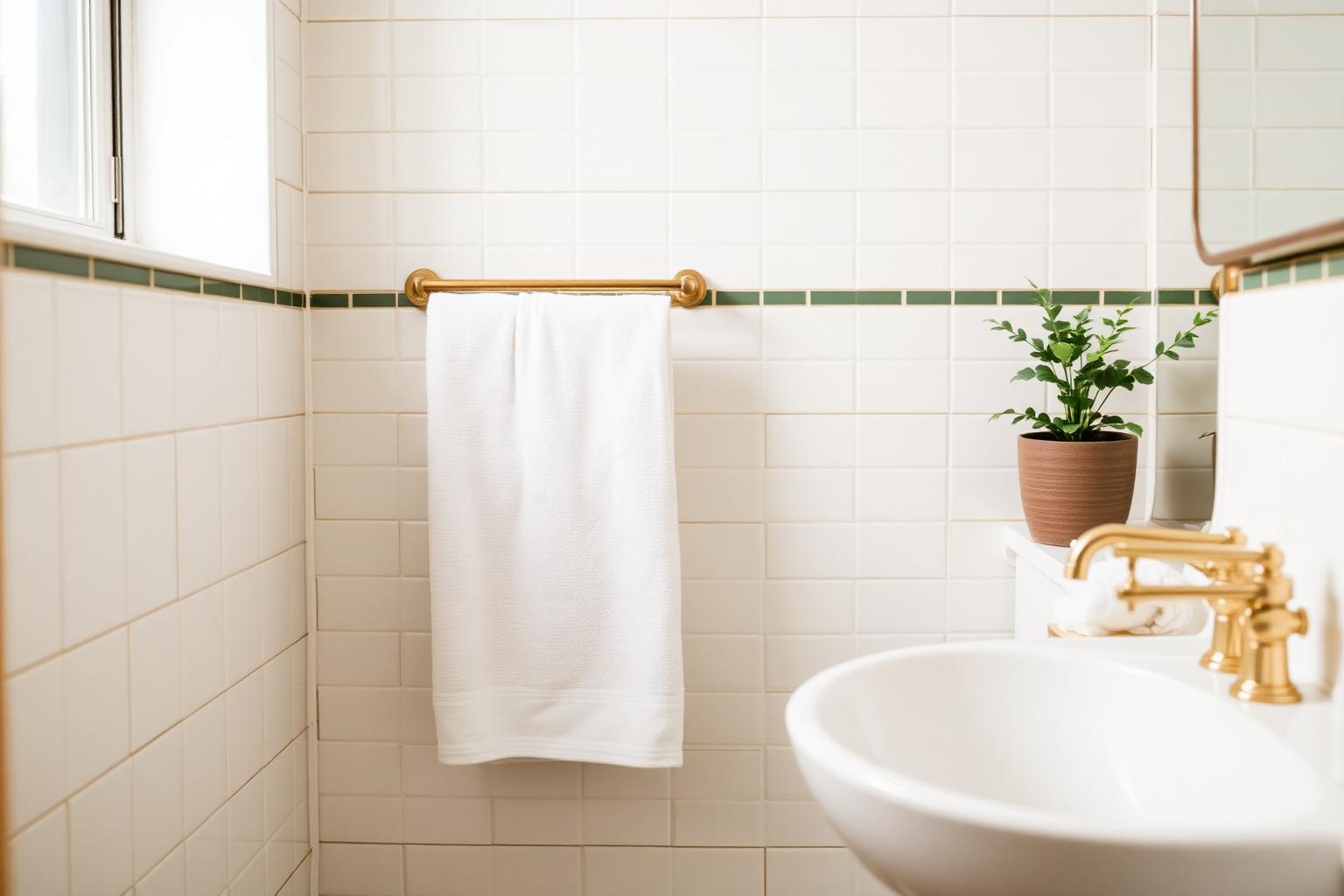
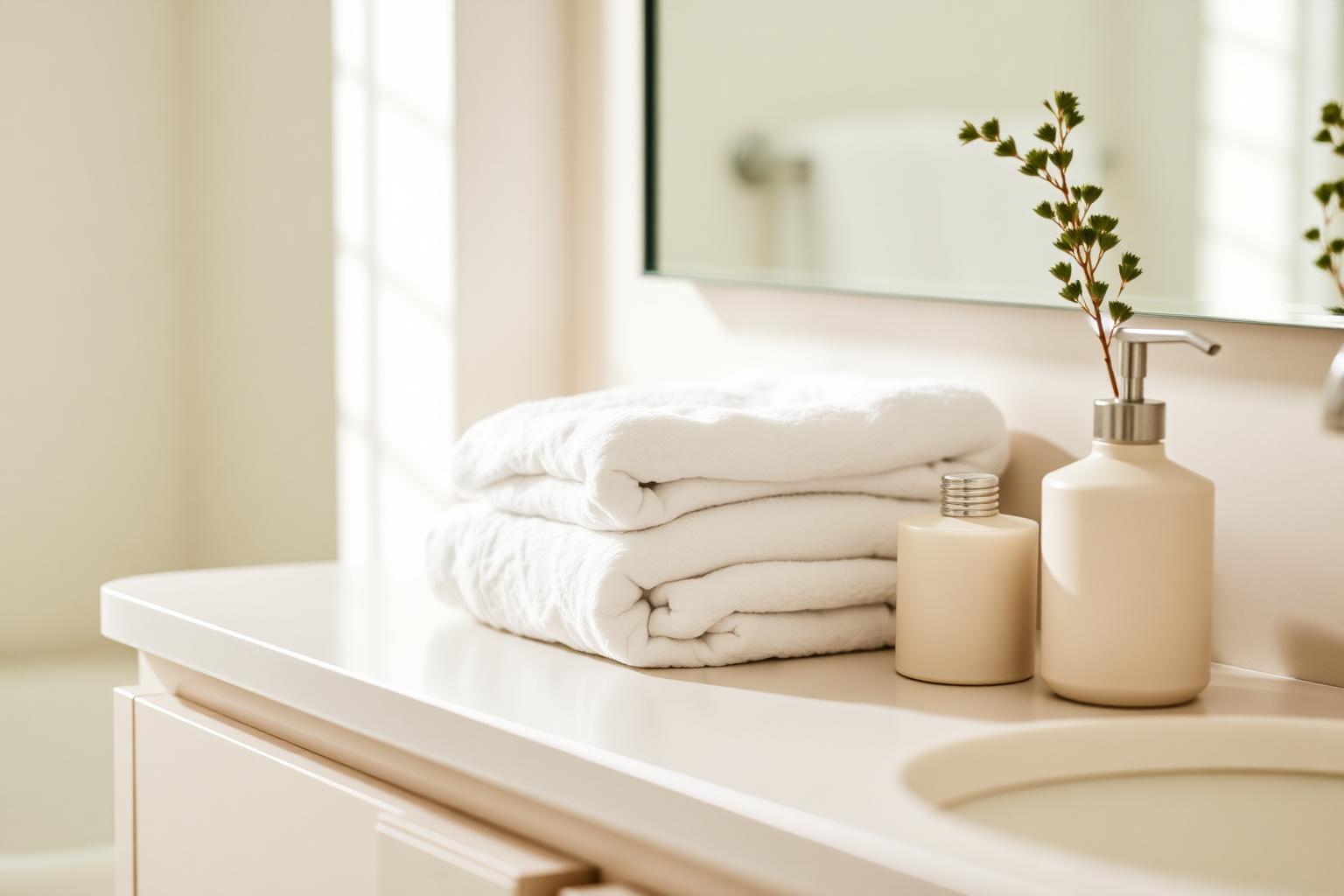
Keep a small stack of microfiber cloths under the sink. Each night, grab a fresh one, run it briefly under the faucet, and wipe the counter from one end to the other. Move the soap dispenser, move the toothbrush holder, get into the seam where the counter meets the wall. Toss the cloth in a hamper. That is one cloth a day, washed once a week. The whole pass takes thirty seconds.
Two: Polish the Faucet
With the still-damp cloth, run a quick pass over the faucet, including the base where water spots collect and the underside of the spout. A polished faucet does an outsized amount of work in making a bathroom look maintained, and water spots become much harder to remove if they are allowed to mineralize over days.
Three: A Quick Toilet Rim Swipe
Keep a small jar of disposable wipes (or a roll of toilet paper and a spray bottle of all-purpose cleaner) within arm's reach of the toilet. One wipe, around the rim of the bowl and the top of the seat. Drop the wipe in the trash. This single thirty-second pass prevents almost all the slow buildup that makes weekly toilet cleaning feel grim.
Four: A Final Glance
Look around the room once. Is there a towel on the floor? A toothbrush left out? A wrapper on the counter? Put each thing in its place. This is the easiest step and somehow the one most people skip. The goal is to leave the room looking like nobody used it, every single night.
Why It Works
Mess in a bathroom is cumulative. A water spot that forms on a Monday becomes a permanent mineral deposit by Friday. Toothpaste flecks dry into the counter overnight. The toilet bowl ring builds in tiny daily increments. None of those things require a deep clean if they are wiped while they are still fresh. They all require one if they are not.
The two-minute nightly habit interrupts the cumulative cycle. Each night, you reset the bathroom to its baseline. By the end of the week, there is almost nothing to deep-clean because the bathroom never strayed far from baseline in the first place.
The cleanest bathrooms are not the ones with the strongest cleaners. They are the ones that never had time to get dirty.
What You No Longer Need to Do Weekly
Once the nightly habit is in place, your weekly bathroom cleaning shrinks to about ten minutes: a shower spray and scrub, a mop, and a fresh round of towels. Everything else has already been handled in small daily doses. You will probably notice the change within two weeks.
The Tools That Make It Easy
- A basket of clean microfiber cloths under the sink
- A small jar of wipes near the toilet
- A spray bottle of all-purpose cleaner in arm's reach
- A laundry hamper in the bathroom so cloths and towels do not pile up
- A trash can with a lid
If any of those is missing, the habit gets harder. Spend twenty minutes setting up the supplies in the right places before you try to start the routine. The convenience of the tools is most of the reason the habit sticks.
When You Skip a Night
You will skip nights. That is fine. The habit is forgiving because the cost of one missed night is tiny. Do the habit the next night and the bathroom is back to baseline. Skip three or four nights in a row and you might need an extra two minutes to catch up — still not a meaningful chore.
What matters is not perfection. It is the long-term trend. Over months, the nightly two minutes adds up to a bathroom that never feels like a project.
Stacking It With an Existing Habit
The reason most new habits fail is that they have no anchor. Behavioral research is clear on this: a new habit attached to an existing one is much more likely to become permanent than a new habit floating in space.
For most people, the bathroom habit pairs naturally with brushing teeth before bed. Brush, wipe, polish, swipe, glance, lights off. Within two weeks the sequence becomes automatic. You stop thinking about it the way you stopped thinking about brushing.
A Note on Kids' Bathrooms
If you share a bathroom with small children, the habit becomes even more useful — and slightly different. Kids leave water everywhere, toothpaste in unexpected places, and small toys on every horizontal surface. Build the two-minute pass into bedtime routine: the older kid wipes the counter, the younger kid puts the toys away, you handle the toilet and the final glance. By age six most children can manage the counter wipe completely on their own.
The First Week
The first week feels slightly awkward. You will forget. You will do the wipe and then have to circle back because you forgot the faucet. By the second week the order is automatic. By the fourth week you no longer think of it as a habit; you think of it as just how you leave the bathroom.
Final Thoughts
Most cleaning advice asks you to do more. This one asks you to do less, more often. Two minutes a night sounds too small to matter. Try it for a month and you will discover that almost nothing in a well-maintained bathroom requires the kind of weekend cleaning the rest of us treat as inevitable. The smallest habits, repeated, are how calm homes are quietly built.
Filed in Cleaning · Bathroom Cleaning
More articles