Anything in a house that is designed to slide and no longer slides smoothly is unreasonably frustrating. Sticky kitchen drawers, sliding closet doors that jump the track, windows that take both hands and a knee to open, sliding patio doors that grind every time you let the dog out. It feels like a hundred small failures piled up.
The good news: every one of these has the same general fix, and the materials cost about 15 dollars total. An afternoon spent on sliding things will fix more annoyance per dollar than almost any other home project.
What Causes Sticking
Three things make sliding parts stop sliding. The first is dirt and dust building up in the track or runners. The second is dry lubrication wearing off the contact points. The third is the part itself shifting out of alignment (a sagging door, a warped drawer, a bent track).
Almost every stuck-sliding-thing complaint is one of the first two. Alignment is a smaller percentage and a slightly bigger project, but still well within DIY territory.
The Universal Three-Step Fix
Run these three steps on any sliding component. Most of the time you only need the first two.
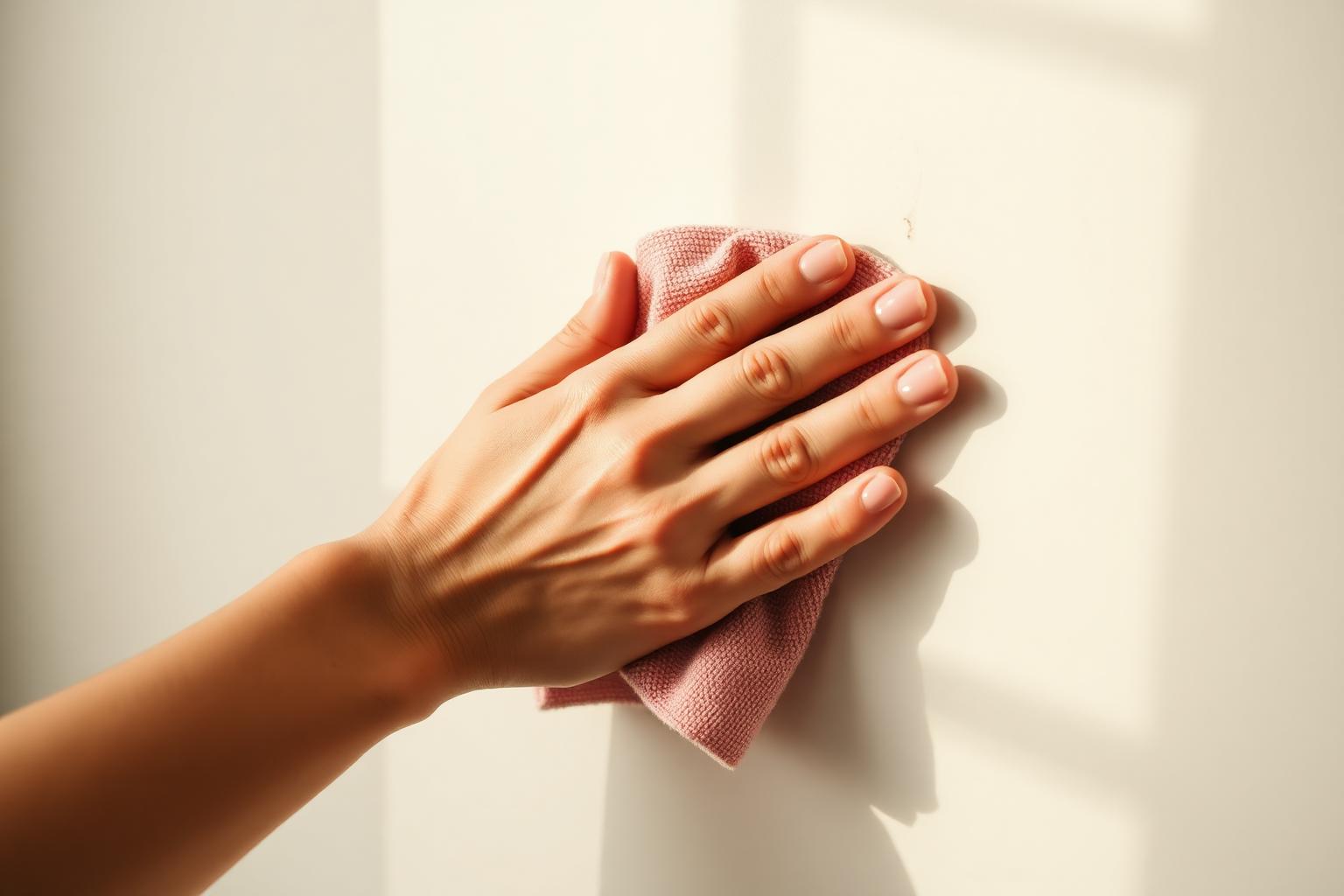
Step one: clean the track or runner. Use a vacuum to pull out loose debris, then a damp cloth (with a drop of dish soap) to scrub away the sticky residue that always builds up in tracks. Dry completely. You will be shocked at how much hair, dust, and old gunk comes out of a five-year-old window track.
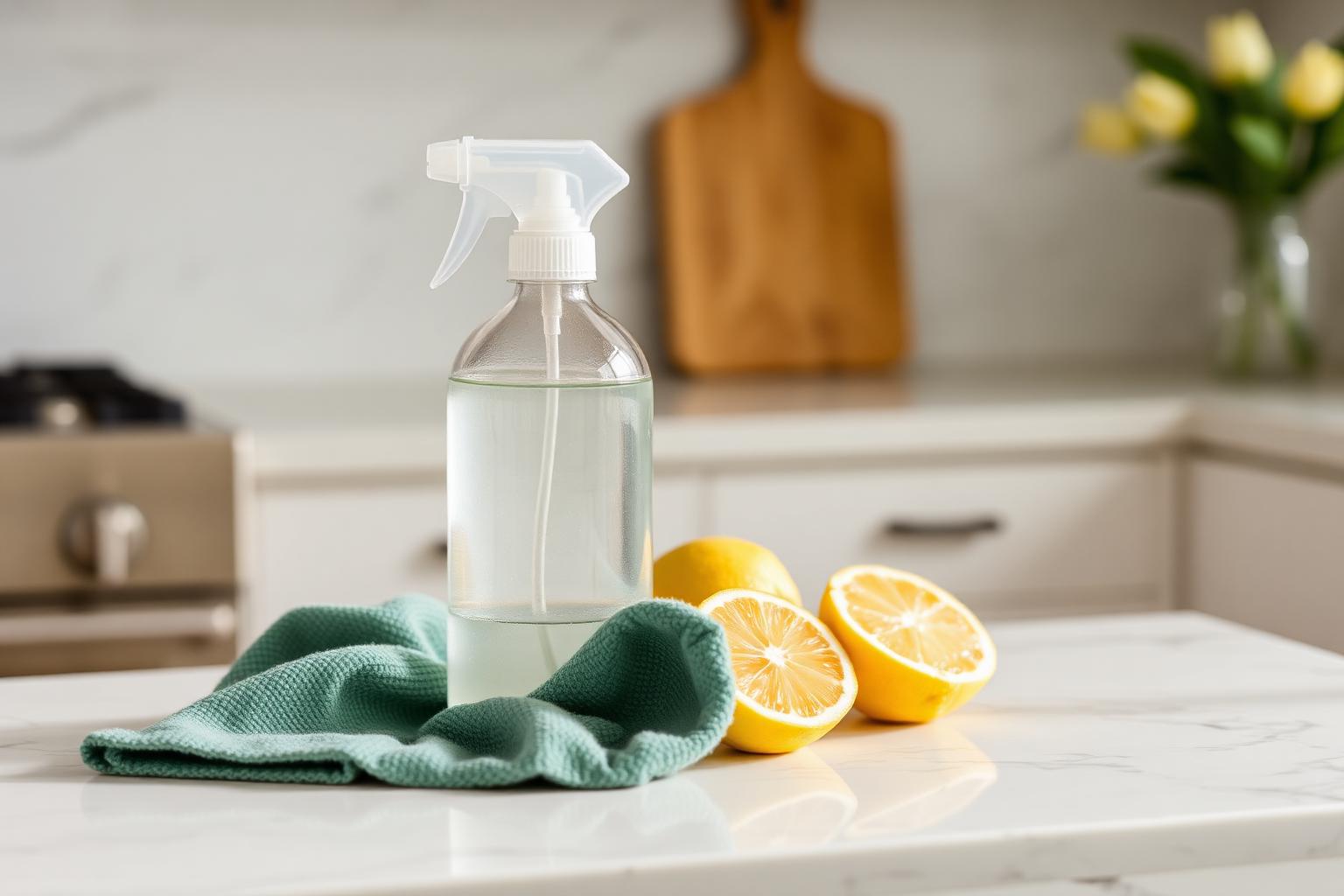
Step two: lubricate the contact surfaces. Use silicone spray or a paste wax — never WD-40 (it dries out and attracts more dust), never cooking oil (rancid, sticky). A single 10-dollar can of silicone spray will lubricate every sliding part in your entire house multiple times.
Step three (if needed): adjust the alignment. Almost every sliding door, drawer, and window has small adjustment screws designed for exactly this. We will cover specifics below.
Sticky Kitchen Drawers
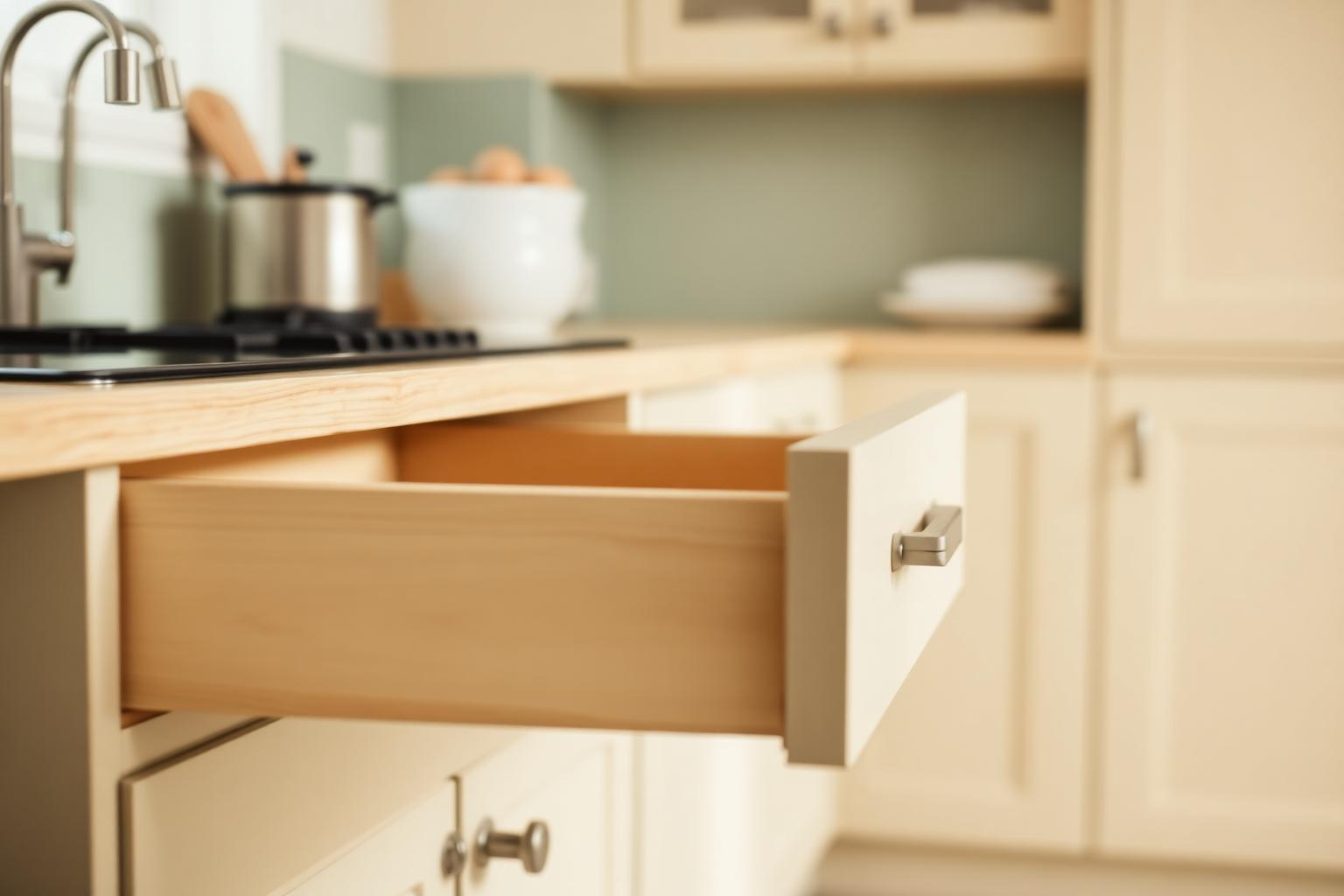
Most kitchen drawers either run on plastic or wood slides (older homes) or on metal ball-bearing slides (modern homes). For both, pull the drawer all the way out (most disengage with a small lever or by lifting at full extension) and inspect the runners.
For plastic or wood: clean with a damp cloth, dry thoroughly, then rub a thin coat of paste wax or paraffin (a candle works in a pinch) along the runner surfaces. Glide returns immediately.
For metal ball-bearing slides: clean with a damp cloth, then spray a small amount of silicone lubricant on the bearings and the rail. Slide the drawer in and out a few times to distribute. If it still sticks, look for small adjustment screws on the underside or side of the slides — most modern slides have a slight tilt-and-level adjustment.
Stuck Windows
Single-hung and double-hung windows stick almost always because the channel is dirty or the weatherstripping has hardened. Vacuum the entire channel, wipe it down with a microfiber and a tiny amount of dish soap, dry it, and spray silicone lubricant up and down both sides. Open and close the window 10 times to work the lubricant in.
If the window still sticks, check the locks — sometimes a partially engaged lock binds the window slightly. Make sure both locks are fully open before pulling.
Painted-shut windows (common in older homes) need a different fix: score the paint seam where the sash meets the frame with a utility knife, run a putty knife along the seam, and gently break the paint bond. Then lubricate as above.
Sliding Closet Doors
Sliding closet doors run on tracks at the top (most common) or bottom. They fail in two ways: they grind because the track is dirty, or they jump off the track because they have been lifted incorrectly or the rollers are bent.
For grinding, clean the track thoroughly with a vacuum, then a damp cloth, and finally silicone spray on the rollers (visible at the top of each door panel) and along the track edges. Most grinding stops immediately.
For doors that jump the track, lift the door slightly and slide the rollers back into the track from either end. Most rollers have a small height-adjustment screw on the bottom edge of the door — use a Phillips screwdriver to raise or lower the door until it sits squarely in the track.
Sliding Patio Doors
The big one. Heavy glass patio doors that grind or stick are mostly a track-cleaning problem combined with old rollers. Vacuum the track, wipe out the gunk (a putty knife wrapped in a damp microfiber gets into the corners), and dry thoroughly. Spray silicone lubricant onto the rollers (visible at the bottom of the door from outside) and on the track.
If the door still grinds, the rollers themselves may need adjustment. Look for two small screws at the bottom of the door, near each end. Turning them clockwise raises the door (lifts pressure off worn rollers); counterclockwise lowers it. Adjust until the door glides without dragging.
If the rollers are visibly worn or rusted, replacement roller kits run about 25 dollars and install in 20 minutes with a screwdriver. Search the brand of door plus 'replacement rollers' to find the right kit.
A house full of things that slide smoothly is a quiet luxury. Most people accept the sticking as inevitable. It is not.
Stubborn Doors (Regular, Hinged)
Doors that rub the frame or stop short of closing usually have one of two problems: hinge screws have loosened, or the door has shifted with the house settling.
Loose hinge screws: tighten them. If they spin without grabbing (the wood is stripped), replace the existing screw on the top hinge with a longer screw (three inches) that bites into the framing behind the door jamb. This single move pulls a sagging door back into alignment almost every time.
If the door still rubs, identify exactly where with a pencil mark. Sand or plane that specific spot lightly — usually less than a quarter inch is needed. Repaint the bare wood and you are done.
A Final Note on Lubricant
Silicone spray is the right answer for almost every sliding-part problem in a home. Buy one can, label it 'sliding things,' and keep it in the kitchen junk drawer. The next time something sticks, you will fix it in three minutes instead of putting it off for another month.
Final Thoughts
Sliding things are quietly the most-used mechanical parts in a home. They open and close thousands of times a year, and they receive almost zero maintenance until they fail. An afternoon spent cleaning and lubricating every sliding part in the house — drawers, windows, closet doors, sliding patio doors, even the medicine cabinet — pays back in months of small, daily pleasure. Run it once a year and the whole house feels like it works the way it is supposed to.
Filed in Home & DIY · Repairs & Hacks
More articles