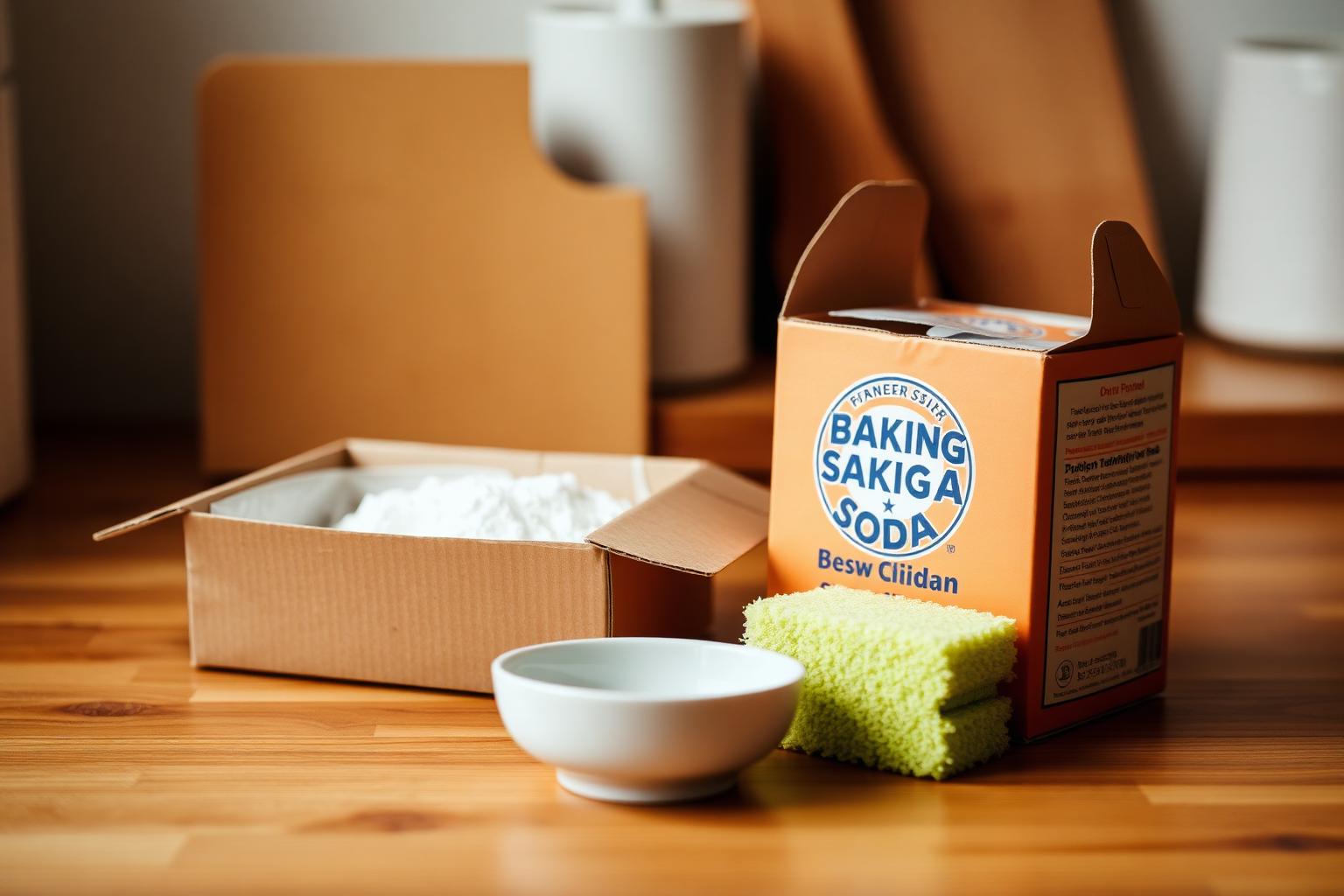
Baking soda is the kind of thing people buy for one specific cake and then forget about for two years. Open the cabinet of almost any cleaning enthusiast, though, and you will find a full box, often refilled, sitting front and center. The reason is that sodium bicarbonate — the boring chemical name for baking soda — happens to be one of the most versatile cleaning materials available, and it costs about a dollar a box.
It is mildly alkaline, mildly abrasive, and naturally deodorizing. Those three properties together solve a surprising portion of household cleaning problems. The recipes below are the ones I genuinely use, written out clearly so you can copy them onto a card and stick it inside a cabinet door.
The Soft Scrub Paste
This is the single most useful baking soda recipe. It replaces commercial soft scrub on almost every surface in the bathroom and kitchen.
- 1/2 cup baking soda
- 2 tablespoons dish soap
- 1 tablespoon water (more as needed)
Mix to a thick paste. Apply with a sponge or cloth, scrub gently, rinse. Works on bathtubs, sinks, stovetops, the inside of pots, grout, and most ceramic or porcelain surfaces. The dish soap cuts grease while the baking soda lifts buildup through gentle abrasion. Make small batches; it does not keep well once mixed.
The Drain Refresher
Drains develop a slow biofilm of soap, hair, and grease that creates both odors and the early stages of clogs. This monthly refresh keeps drains running clear without harsh chemical drain cleaners.
- 1/2 cup baking soda
- 1 cup white vinegar
- A kettle of boiling water
Pour the baking soda down the drain, followed by the vinegar. Cover with a damp cloth so the fizz stays in the pipe instead of foaming up the drain. Wait fifteen minutes. Flush with the boiling water. Run hot tap water for thirty seconds.
The Carpet Deodorizer
For pet odors, lingering cooking smells in a rug, or just a general refresh of any carpeted area, baking soda works as well as the commercial powdered deodorizers that cost ten times more.
- 1 cup baking soda
- 10 drops essential oil (lavender, lemon, or eucalyptus)
Mix in a jar, then sprinkle lightly over the carpet. Leave for thirty minutes, or overnight for stubborn odors. Vacuum thoroughly. The baking soda absorbs the smell-causing molecules; the vacuum removes everything.
The Stainless Steel Sink Restoration
A kitchen sink that has lost its shine usually just has a thin film of soap and food residue that wipes off with a baking soda scrub.
Wet the sink. Sprinkle baking soda directly over the entire surface. Scrub gently with a soft sponge in circular motions. Rinse. Spray with white vinegar (the foaming reaction is harmless and satisfying). Rinse again and dry with a microfiber cloth. The sink will look new.
The Microwave Steam Treatment
For a microwave with baked-on food splatter, the steam treatment from another guide on this site works well. The baking soda version takes it one step further for genuinely bad cases.
- 1 cup water
- 2 tablespoons baking soda
- 1 tablespoon dish soap
Mix in a microwave-safe bowl. Microwave on high for four minutes. Let sit for two minutes so the steam can keep working. Wipe out the interior — every splatter will come off with a damp cloth.
The Mattress Refresher
Mattresses absorb body oils, sweat, and dust mite debris over the years. They cannot be machine-washed, but they can be deeply refreshed once or twice a year with baking soda.
Sprinkle a thin even layer of baking soda over the entire mattress surface. Optionally, drop 20 to 30 drops of essential oil mixed into the baking soda first for a light scent. Leave for two hours. Vacuum thoroughly with the upholstery attachment. The mattress will smell genuinely fresh, sometimes for months.
The Burnt-Pot Rescue
A pot with food burned to the bottom often goes straight in the trash. This trick saves a remarkable number of them.
Cover the burned area with water, sprinkle 2 tablespoons of baking soda, and bring to a boil for ten minutes. Let cool. The burned residue will usually scrub off with a regular sponge. Stubborn cases may need a second round.
The Toy Cleaner
Hard plastic toys benefit from a gentle clean every few months, especially anything that goes near small mouths.
- 1 tablespoon baking soda
- 1 cup warm water
- 1 drop unscented dish soap
Wipe toys with a cloth dampened in the solution, then with a clean wet cloth to rinse. Safe enough to use on teething rings and bath toys.
The Stovetop Knob Soak
Stovetop knobs collect a surprising amount of grease where you cannot see it. Most of them pop off the front of the stove. Once a quarter, pull them all off and soak them in a bowl of warm water with two tablespoons of baking soda and a squirt of dish soap. Twenty minutes later, scrub with an old toothbrush, rinse, dry, replace.
The cabinet of strong cleaners exists because we forgot how much one box of baking soda can do.
The Trash Can Bottom
Even with a fresh bag, the bottom of a trash can develops a faint smell over time. Sprinkle a quarter cup of baking soda in the bottom every time you change the bag. It absorbs odors continuously and costs nothing.
The Refrigerator Freshener
An open box of baking soda on a back shelf is the original odor absorber, and it still works. Replace it every three months, or whenever the box label says. Mark the date you opened it with a marker on the front of the box so you do not lose track.
The Toothpaste Polish (Yes, Really)
Baking soda mixed with a small amount of water makes a mild dental polish. It is too abrasive to use every day, but once a week, it gently removes surface staining from coffee or tea without damaging enamel. Many natural toothpastes use baking soda as the base ingredient.
What Baking Soda Cannot Do
Two important limitations. First, baking soda is mildly abrasive — fine for most surfaces, but avoid using it on polished marble, aluminum cookware, or any surface with a delicate decorative coating. Second, baking soda is not a disinfectant. It cleans and deodorizes, but it does not reliably kill bacteria the way vinegar or hydrogen peroxide does. For surfaces where disinfection matters (cutting boards after raw meat, for example), use baking soda for the scrub and follow with a disinfecting spray.
Storage and Shelf Life
An unopened box of baking soda lasts indefinitely. Once opened, it stays fully effective for about six months for cleaning purposes and three to six months for odor absorption. After that, it still works but with less punch. The cheapest baking soda at any grocery store is the same product as the brand-name version. Buy the bigger box.
Final Thoughts
One box of baking soda, used across the recipes above, replaces drain cleaner, soft scrub, carpet deodorizer, mattress freshener, microwave cleaner, and refrigerator odor absorber. The annual cost is under twenty dollars. The annual cost of replacing those products commercially is closer to two hundred. The math is generous, the chemistry is gentle, and your house will smell like nothing instead of like a chemical mountain meadow. That is what you actually want.
Filed in Cleaning · Natural Cleaners
More articles