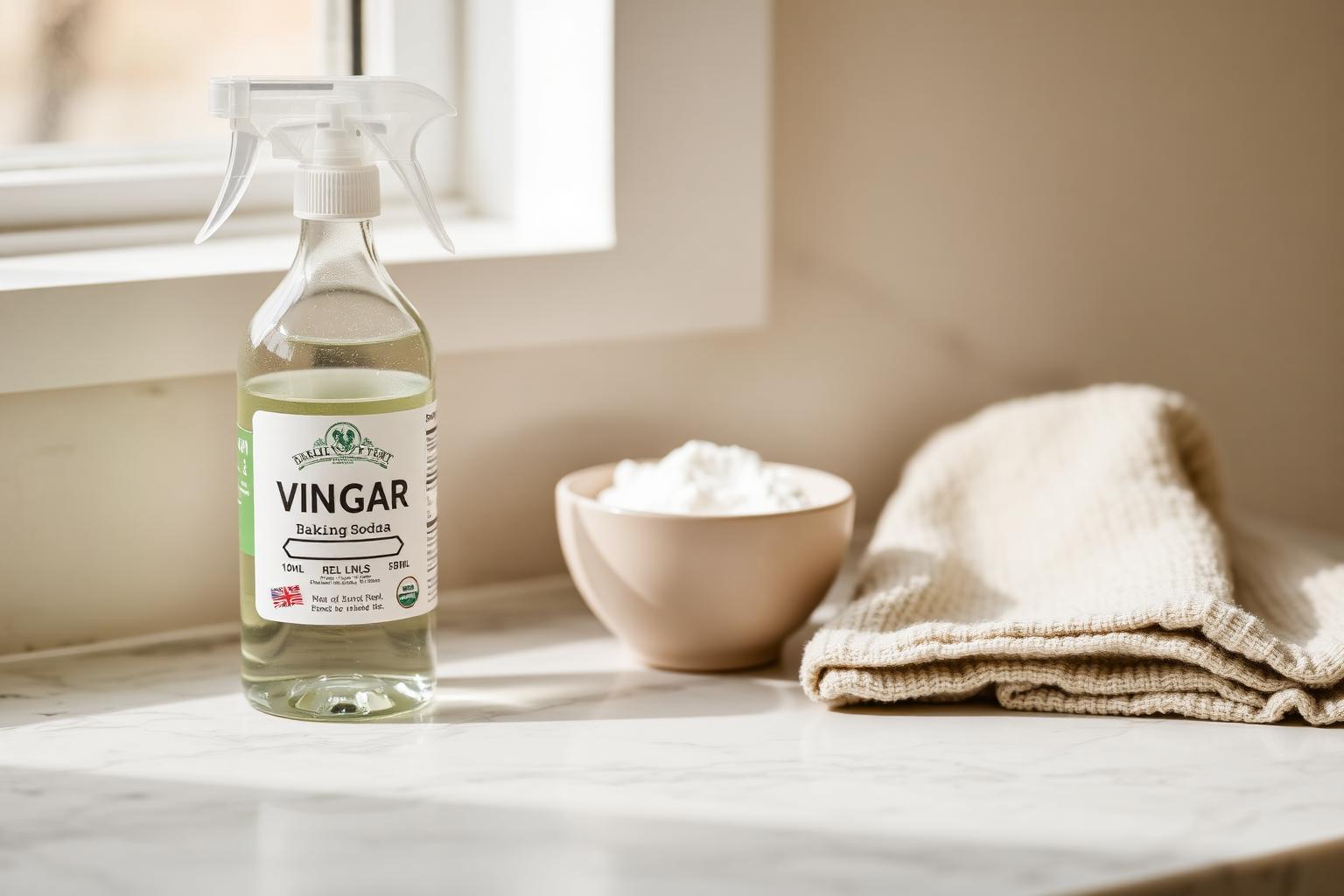
White vinegar costs about two dollars a gallon, lasts indefinitely on the shelf, and quietly replaces a whole row of cleaning products you used to buy individually. It is a mild acid — about 5 percent acetic acid in distilled form — which means it dissolves minerals, cuts through soap film, and kills many common household bacteria. It is also food-safe, which is genuinely useful in a kitchen.
But vinegar is not a universal cleaner. The same acidity that makes it useful on chrome and glass makes it destructive on natural stone, certain plastics, and unsealed wood. The internet is full of vinegar tips, half of which would slowly damage the surfaces they recommend. This guide separates the good uses from the bad ones, with enough detail to actually act on each.
The 15 Uses
1. The Daily Spray Cleaner
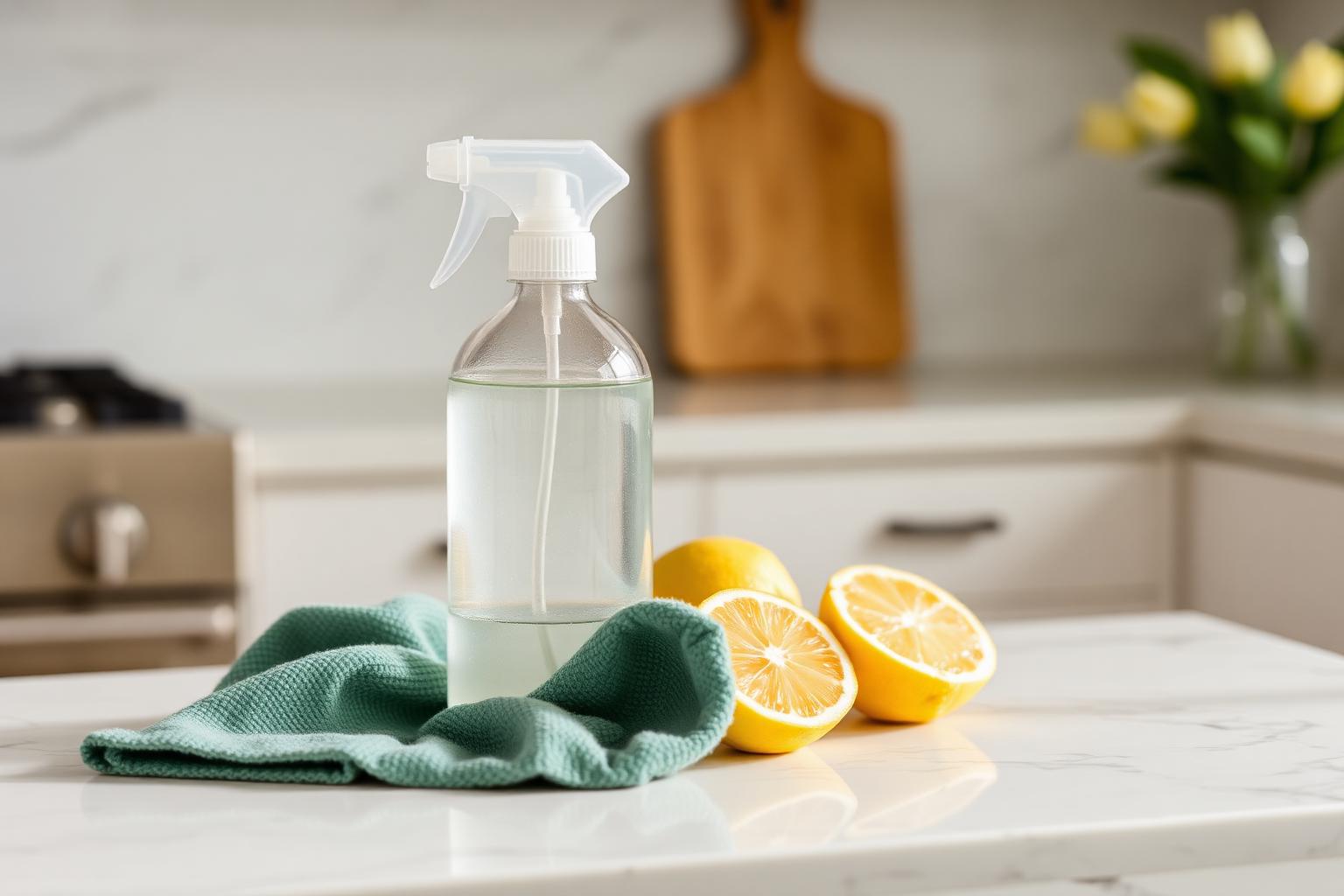
Two cups water, two cups vinegar, a tablespoon of dish soap, and 15 drops of essential oil in a 32-ounce glass spray bottle. Works on counters, glass, appliances, sinks, and most surfaces. The single most useful homemade cleaner you can keep under the sink.
2. Coffee Maker Descale
Run a full cycle with half water, half vinegar in the reservoir. Follow with two cycles of plain water to rinse. Run this once a month and your coffee maker will outlive its warranty. The mineral buildup is the single biggest reason coffee makers fail early.
3. Kettle Descale
Fill the kettle with equal parts water and vinegar. Bring to a boil, turn off, let cool. Rinse. The white film inside the kettle, gone in ten minutes.
4. Dishwasher Refresh
Place a cup of vinegar on the top rack and run an empty hot cycle once a month. Removes soap scum, dissolves mineral deposits in the spray arms, and eliminates that musty smell dishwashers sometimes develop.
5. Showerhead Soak
See the hard-water guide. A plastic bag of vinegar tied around the showerhead for two hours restores water pressure better than any product on the shelf.
6. Glass and Mirrors
Equal parts water and vinegar in a spray bottle, applied with a microfiber cloth. Streak-free results without the ammonia smell of commercial glass cleaners.
7. Microwave Steam Clean
A bowl of water with two tablespoons of vinegar, microwaved on high for three minutes. Let the steam loosen everything for two more minutes. Wipe interior with a damp cloth. Even baked-on splatter comes off easily.
8. Laundry Softener
Half a cup of vinegar in the rinse cycle replaces fabric softener for towels, sheets, and athletic wear. It actually softens better than commercial softeners and does not coat the fabric with the chemicals that reduce absorbency over time.
9. Smelly Drain Refresh
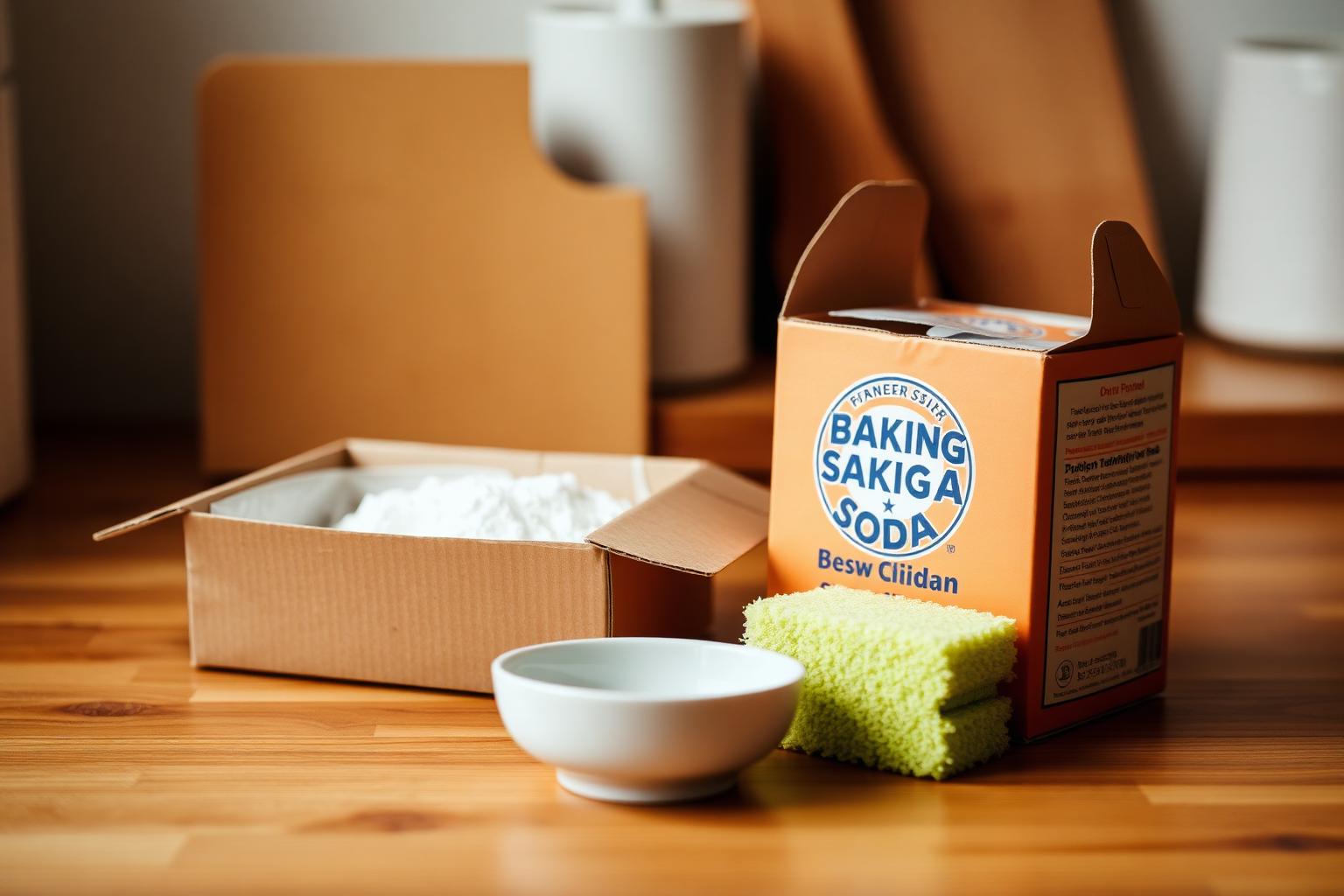
Pour half a cup of baking soda down the drain followed by a cup of vinegar. Let it fizz for fifteen minutes. Flush with boiling water. Eliminates odors and clears mild buildup.
10. Trash Can Deodorizer
Spray the empty trash can with undiluted vinegar, let sit for five minutes, rinse. Neutralizes the lingering smell at the bottom that no amount of fresh bags can mask.
11. Fruit and Vegetable Wash
Three parts water to one part vinegar in a bowl. Soak produce for two minutes, rinse with cool water. Removes wax, pesticide residue, and a meaningful amount of surface bacteria.
12. Cutting Board Sanitizer
Spray a wooden or plastic cutting board with undiluted vinegar after use, let it sit for one minute, rinse. Reduces bacterial load without leaving the chemical residue of bleach.
13. Fabric Stain Pre-Treatment
Equal parts vinegar and water sprayed on a fresh food stain before washing lifts a surprising range of stains, including coffee, wine, and grass. Wash as usual.
14. Sticky Residue Remover
Soak a cloth in undiluted vinegar and lay it over the residue of an old sticker or tape mark for ten minutes. The adhesive softens enough to wipe away.
15. Garden Weed Killer
Spray full-strength vinegar on weeds growing in driveway cracks or between patio stones. On a sunny day, they wilt within hours. Avoid spraying anything you want to keep growing.
The 5 Places It Doesn't Belong
Now the warnings, which matter just as much as the uses above. Vinegar's acidity is what makes it useful, but acid does not discriminate. These are the surfaces it actively damages.
1. Natural Stone
Marble, travertine, limestone, slate, and granite (unsealed or older sealed) all etch from contact with vinegar. The etching is permanent and looks like dull spots that no amount of polishing removes. For stone, use a pH-neutral cleaner and water.
2. Hardwood Floors
Vinegar slowly strips the polyurethane finish on wood floors, leaving them looking hazy and worn. Use a wood-specific cleaner or a few drops of dish soap in a bucket of warm water instead.
3. Electronic Screens
TV screens, laptop screens, and smartphone screens often have anti-reflective and oleophobic coatings that vinegar dissolves. Use a slightly damp microfiber cloth with plain water or a screen-specific spray.
4. Cast Iron Cookware
Vinegar will strip the seasoning off cast iron, which takes months to rebuild. Clean cast iron with hot water, a stiff brush, and salt as an abrasive when needed.
5. Rubber Gaskets and Hoses
Long-term exposure to vinegar can degrade the rubber seals in dishwashers, washing machines, and refrigerator water lines. Brief monthly use is fine; never leave vinegar standing against rubber for extended periods.
Vinegar is a friend to most of your house and an enemy to a few specific surfaces. Knowing which is which is half of using it well.
How to Reduce the Smell
The most common complaint about vinegar is the smell. The smell dissipates completely within five to ten minutes as the surface dries, but if it bothers you in the moment, two tricks help. First, infuse the vinegar with citrus peels: drop the peels of two oranges or four lemons into a jar of vinegar, seal, and let sit in a dark cabinet for two weeks. Strain, and use the infused vinegar in any of the cleaning applications above. The smell is dramatically softer.
Second, add 10 to 15 drops of essential oil to any vinegar-based spray. Lemon, tea tree, lavender, and eucalyptus all pair well. The oils mask the vinegar smell almost immediately and add their own gentle scent.
Storage and Dilution
Keep undiluted vinegar in its original plastic gallon jug — it stores indefinitely. Mixed cleaning solutions with dish soap or essential oils are best stored in glass spray bottles, because essential oils can break down plastic over time. Label the bottle clearly so nobody mistakes the cleaner for something else.
Distilled white vinegar is the right vinegar for cleaning. Apple cider vinegar will work but tends to leave a slightly sticky residue and a much stronger smell. Skip the gourmet vinegars — balsamic, sherry, and wine vinegars are far too expensive and not meaningfully more effective.
A Quiet Cost-Benefit Note
If you replace just five common cleaning products with vinegar-based alternatives, you save roughly 100 to 150 dollars per year and put significantly less plastic in the recycling bin. Multiply across millions of households and the impact is meaningful. None of this is the reason to use vinegar — the reason is that it works — but it is a nice quiet bonus.
Final Thoughts
Vinegar is not magic. It is just a useful, cheap, food-safe acid that handles most of the cleaning a normal household needs. Learn its strengths, respect its weaknesses, and you can quietly empty about half the bottles under your sink. Few changes in a home are this small and this consequential at the same time.
Filed in Cleaning · Natural Cleaners
More articles